

You can do all the stress testing you want in a factory. You can hang weights from a shoulder strap and run fabric through abrasion machines, but none of that actually tells you how a backpack is going to feel on day fourteen of a trip when you are exhausted, sweaty, and running to catch a train.
To actually know if the Frogfish architecture worked, we had to take the prototypes out of the workshop and drag them through the dirt. We split the field testing into three distinct environments to push the bag past its breaking point.
Here is what we learned when the design hit the real world.
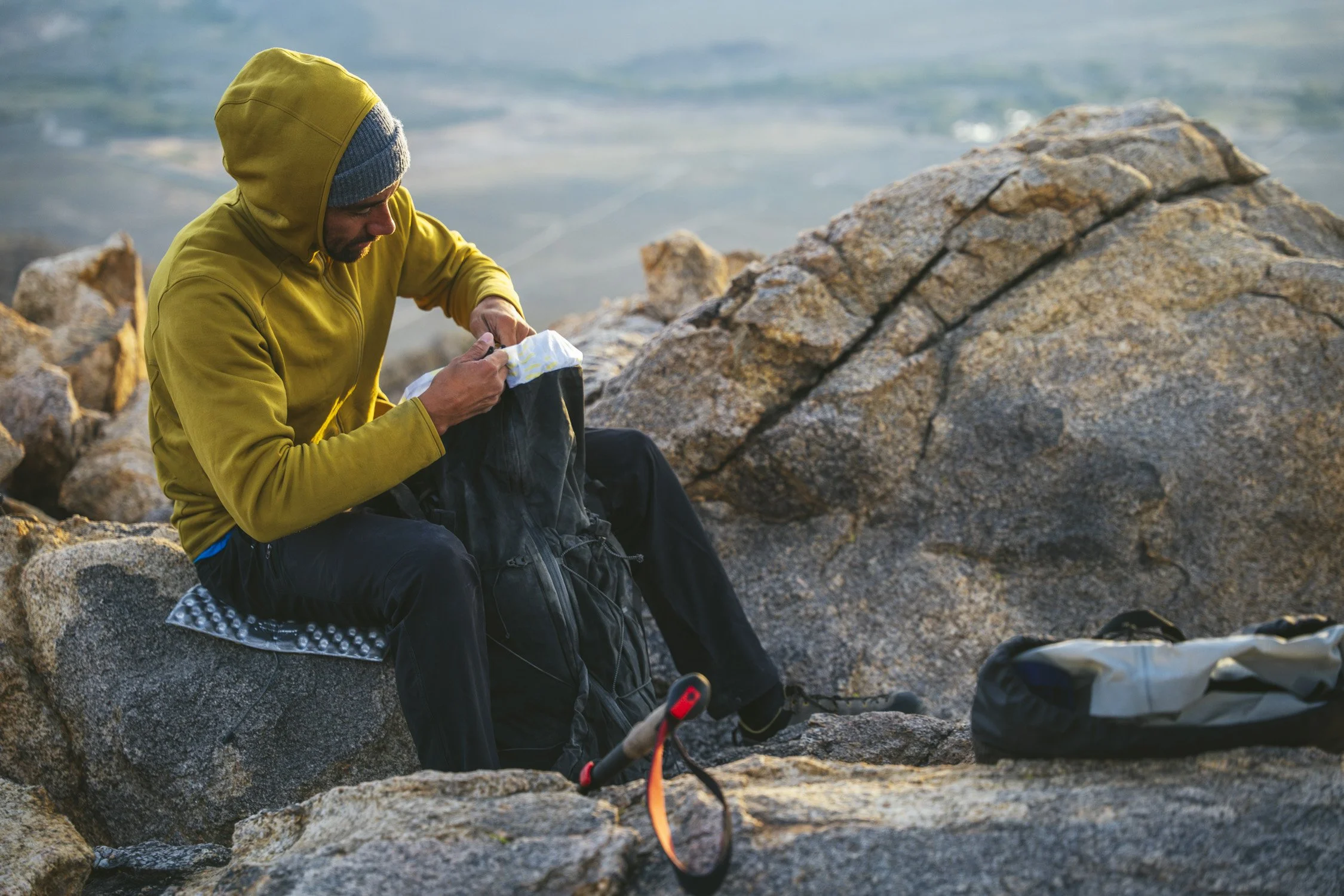
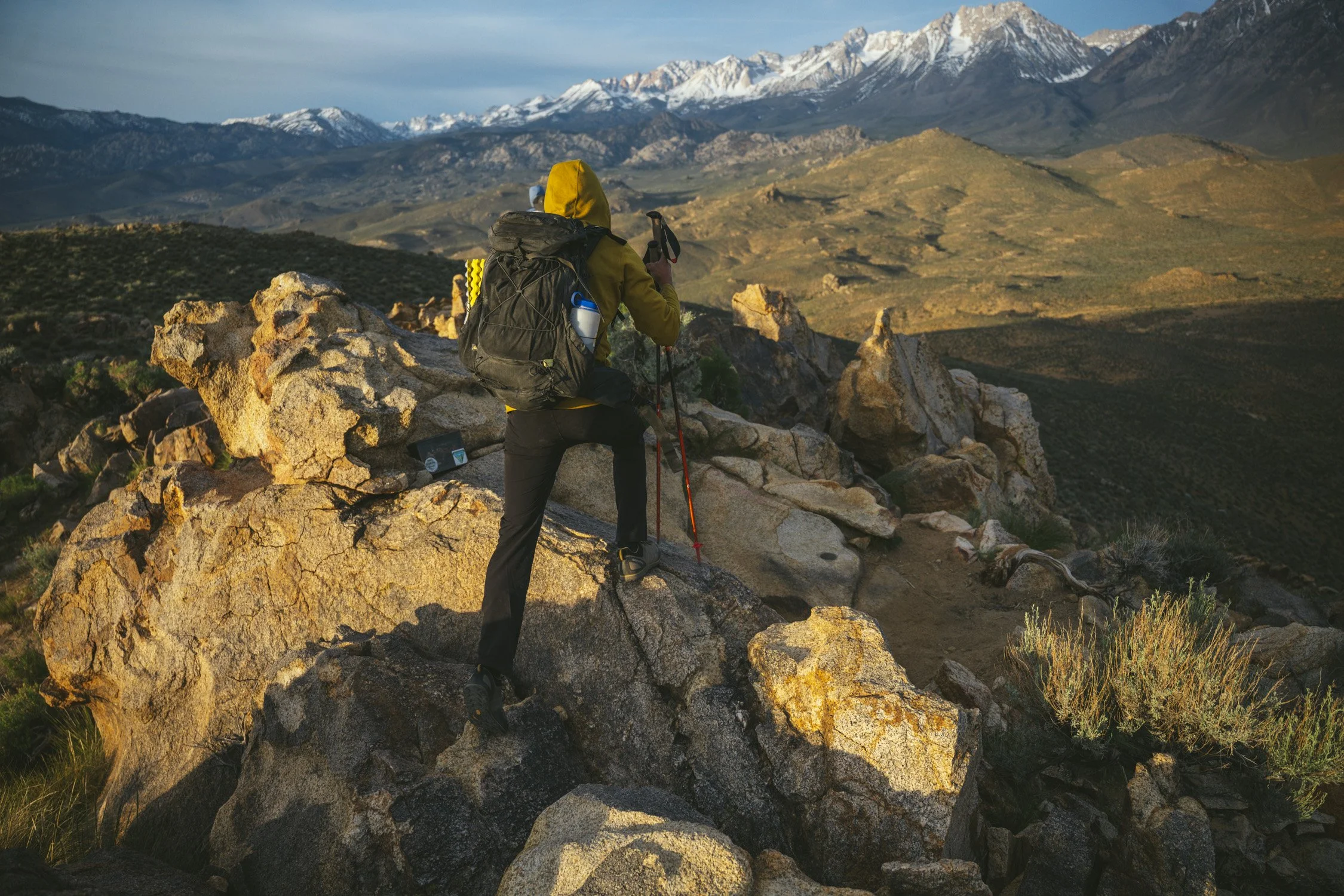
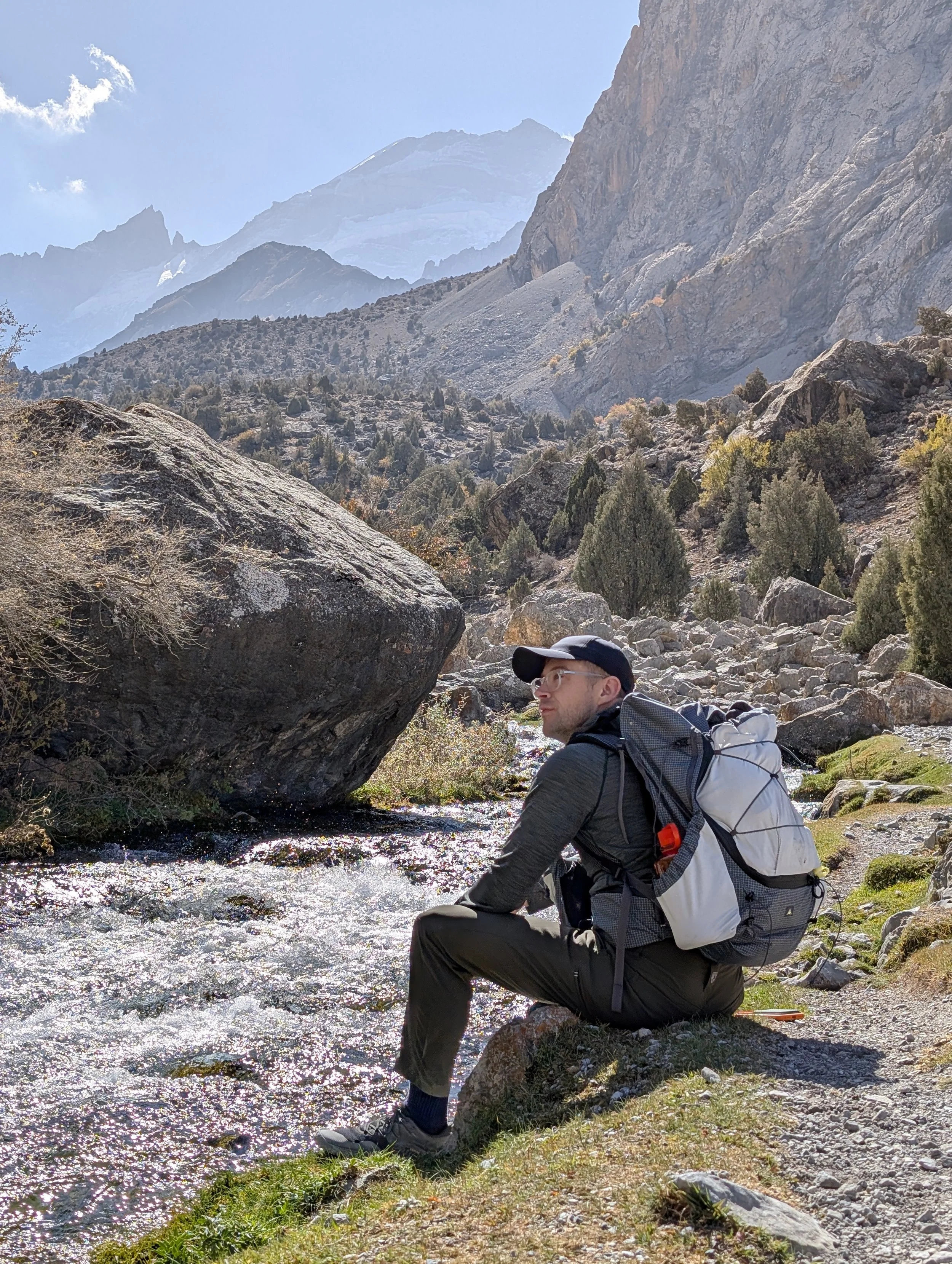
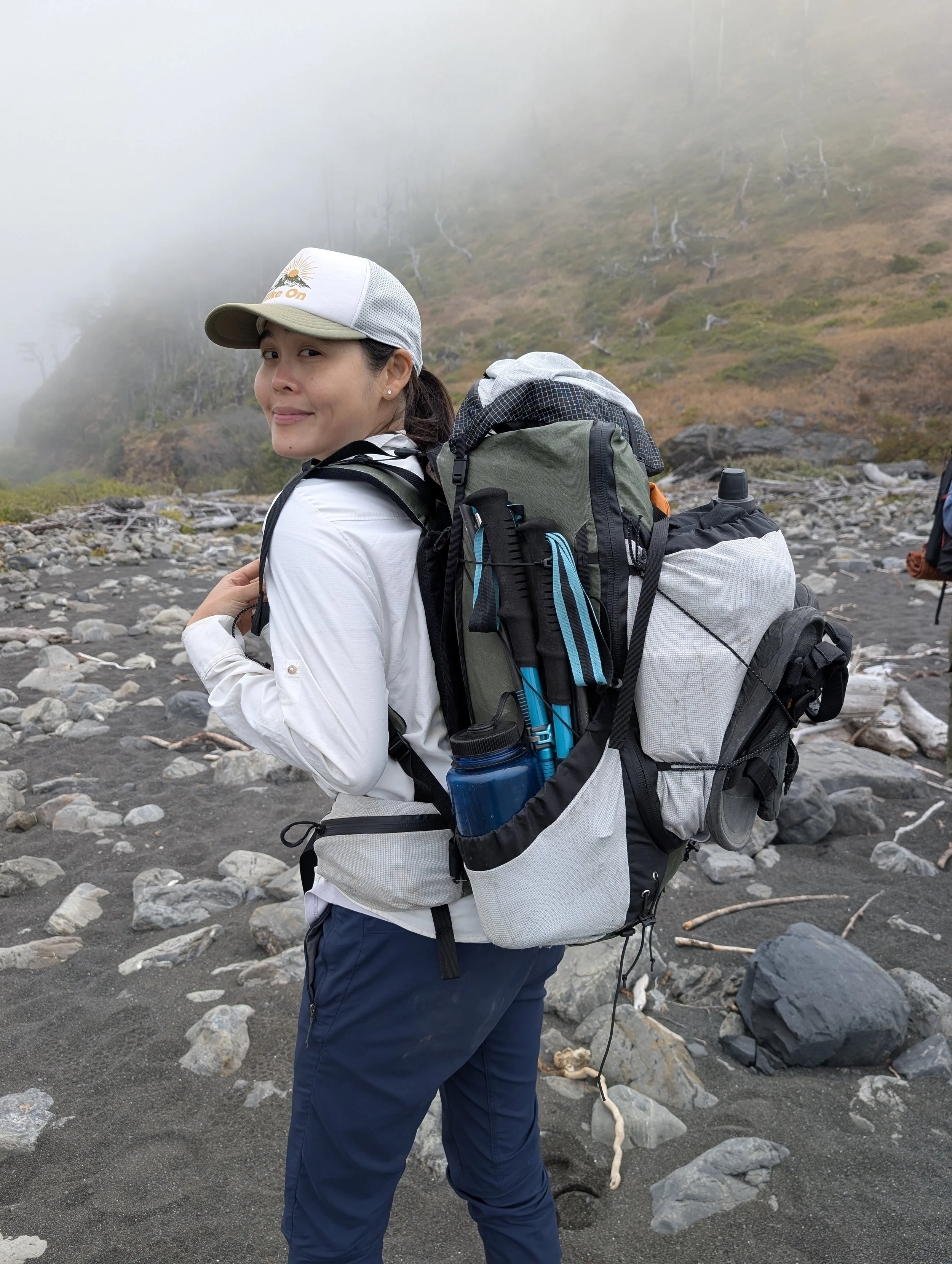
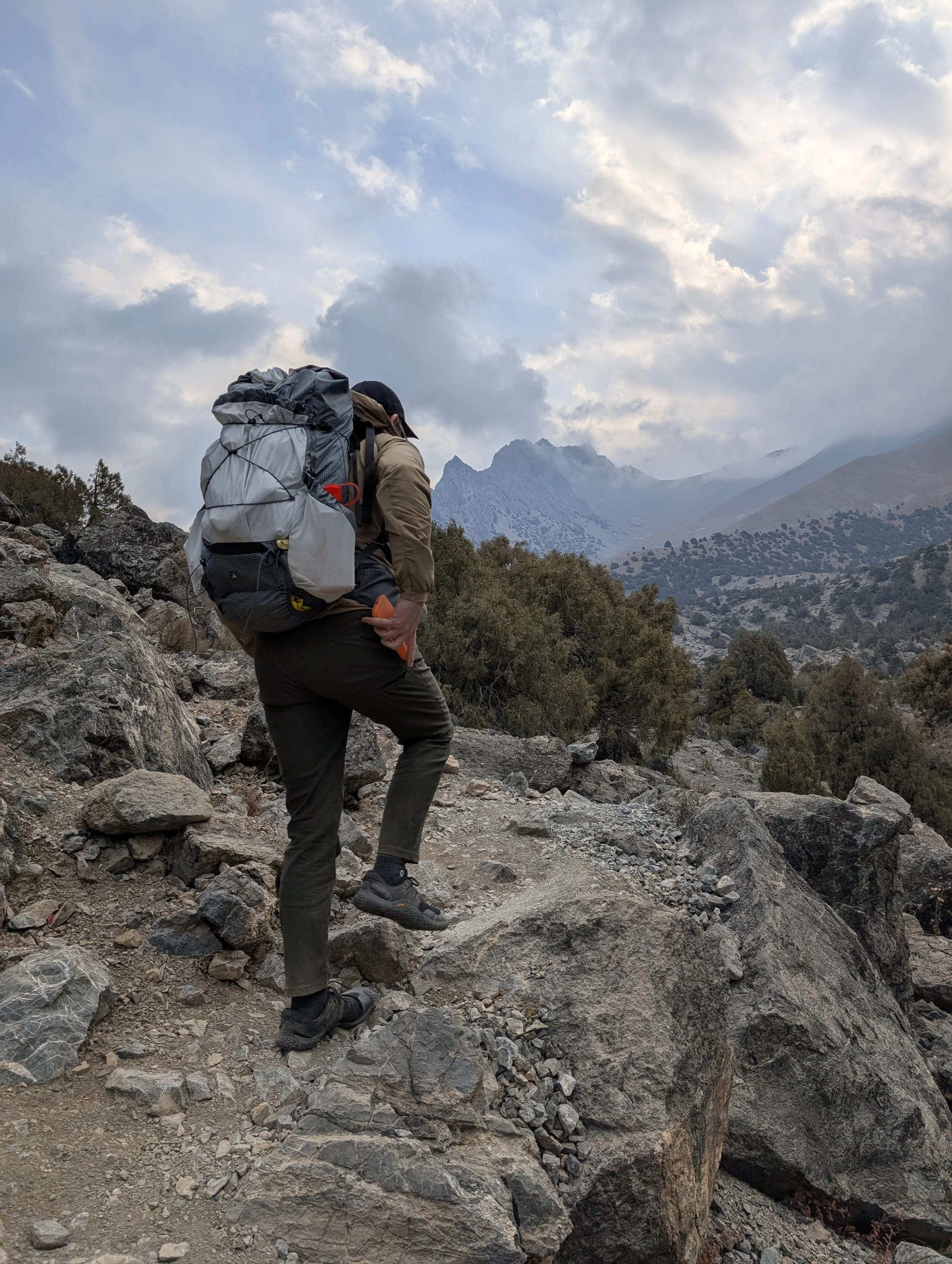
Trekking & Backpacking: The Central Asia Test
We needed extreme mountain conditions to test the structural integrity and load-bearing limits, so we took the prototypes deep into the wild mountains of Tajikistan, Kazakhstan, and Kyrgyzstan.
When you are hauling a pack over high-altitude passes for days on end, you feel every single millimeter of design flaw. Structurally, the bag was a tank—the stitching held, and the hardware didn't slip even when the pack was overloaded with food and water. But it taught us some harsh, necessary lessons about the backpanel support system for the long haul. We realized that the foam density we originally spec'd was too soft; it felt great in the living room, but after 15 miles on a rocky trail, it compressed too much against the laptop sleeve. That specific trip is exactly why we went back and engineered the denser, contoured, removable foam panel I talked about in the last post.
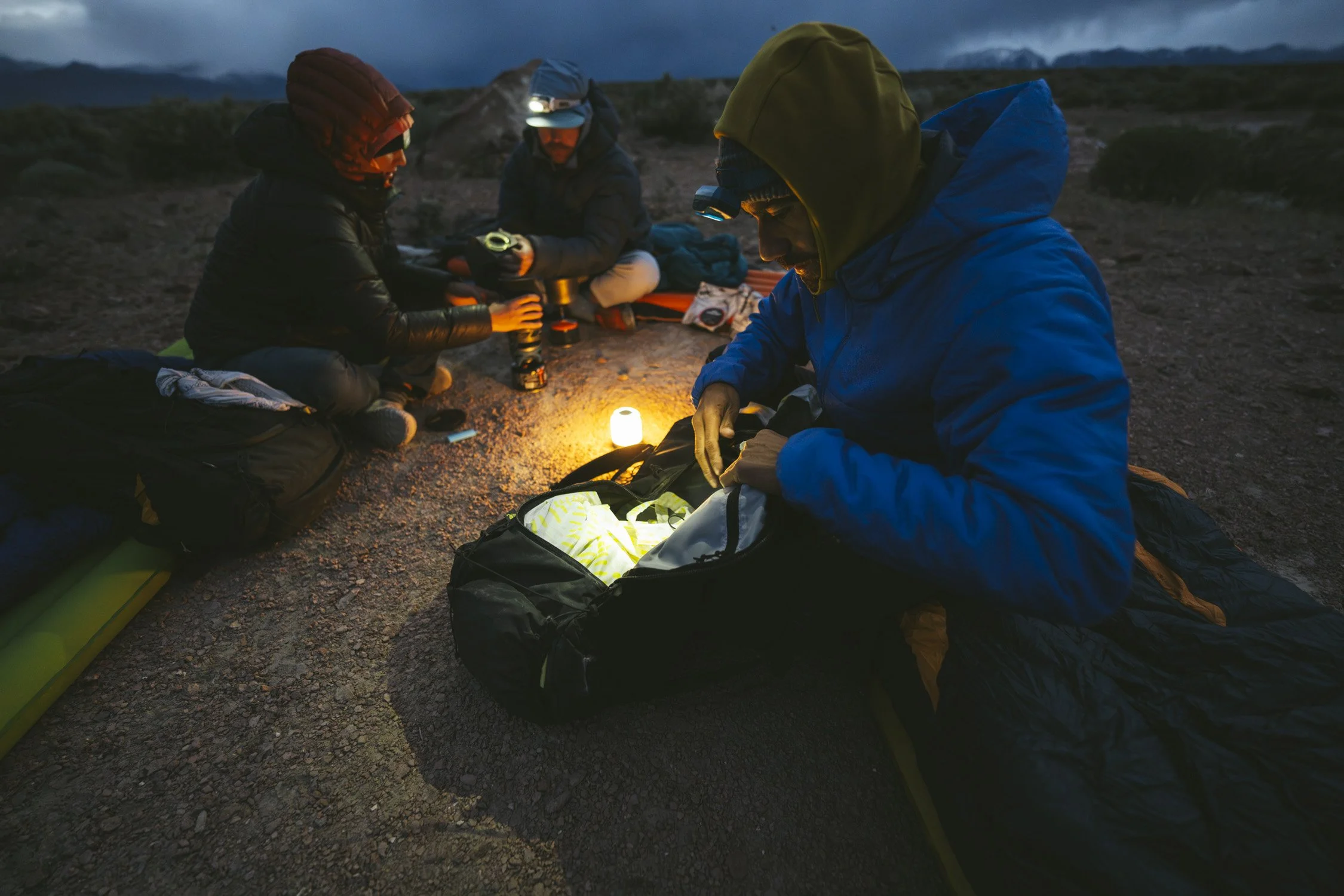
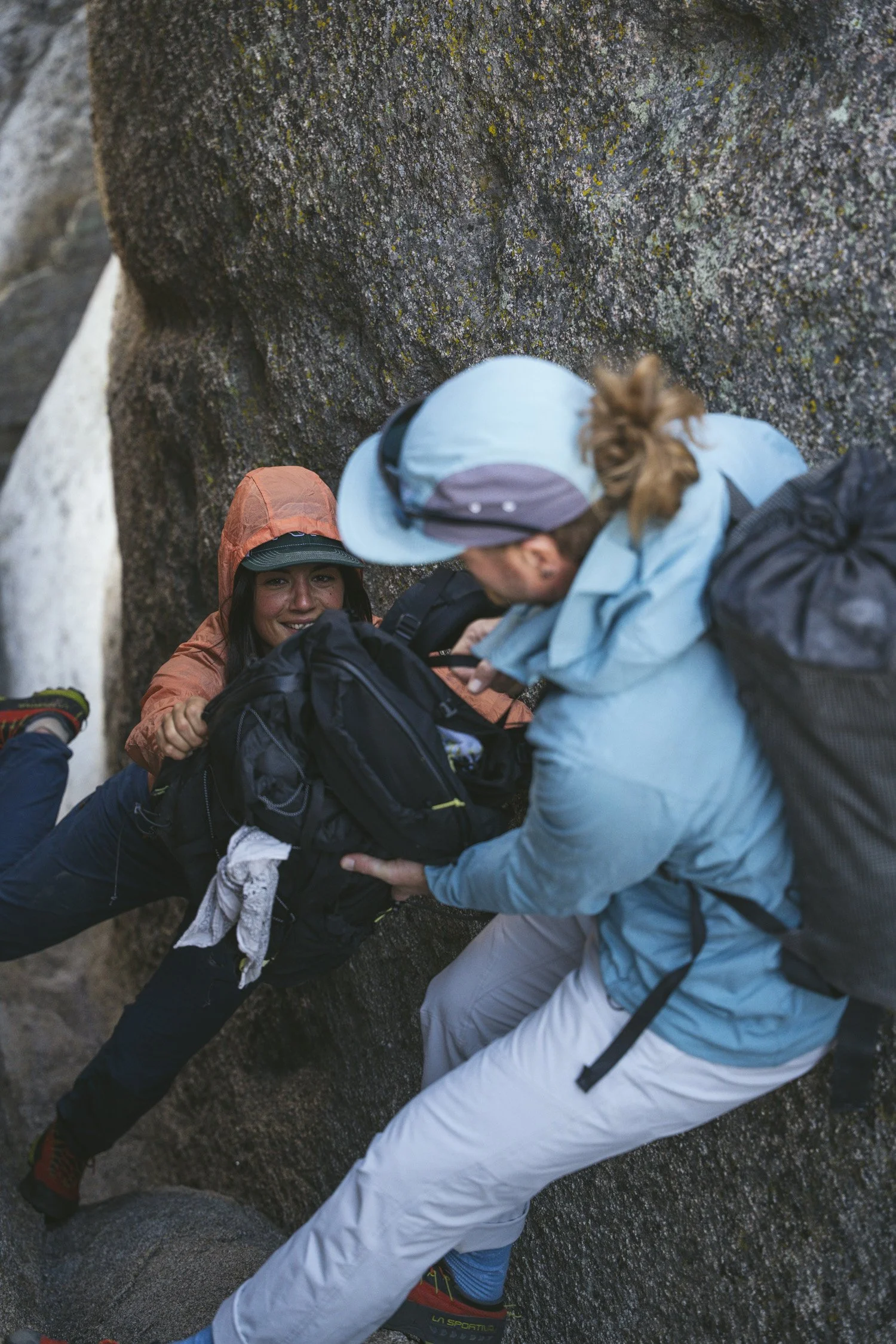


Tropical Jungles & Scuba Diving: The Delamination Lesson
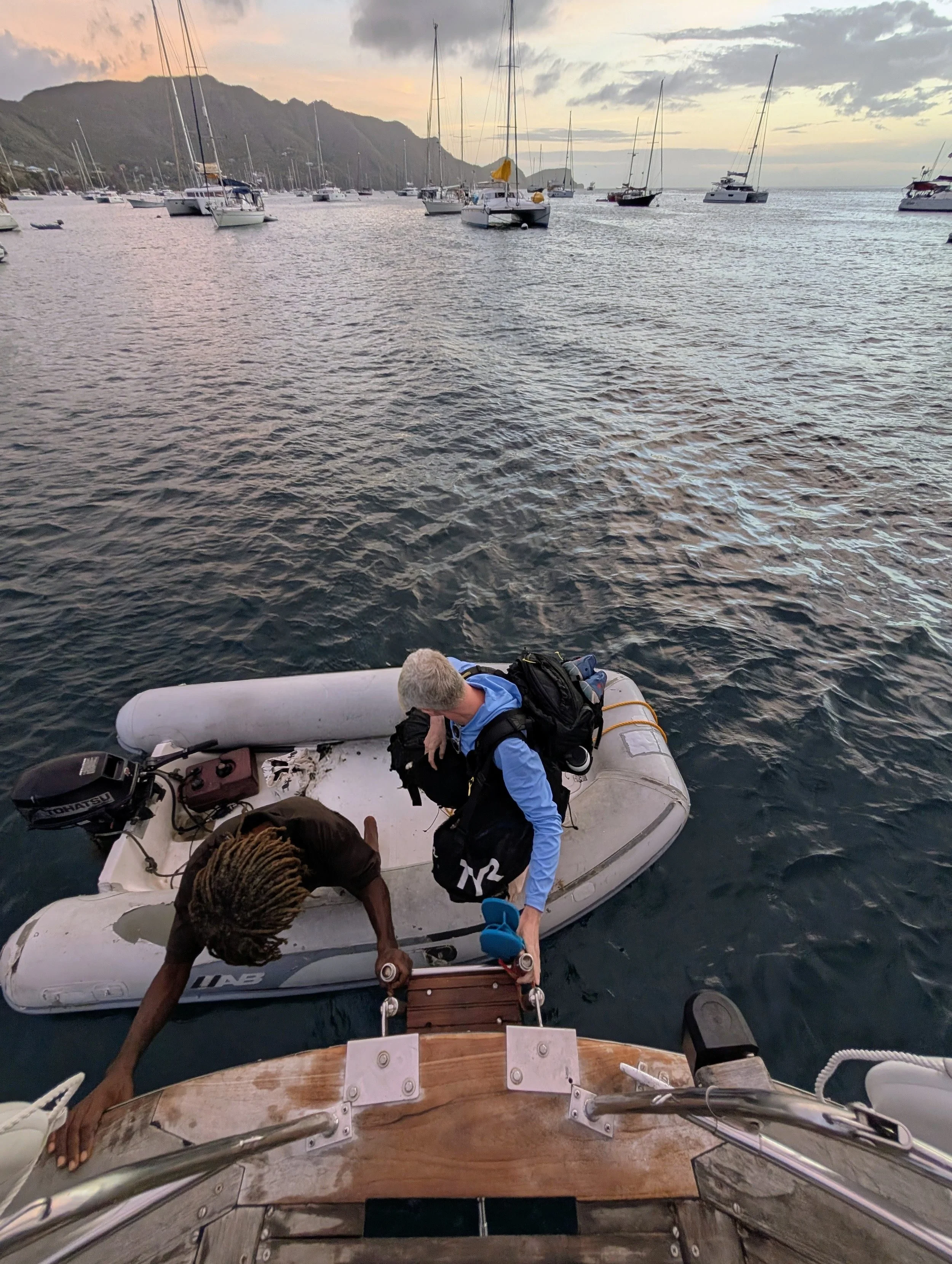
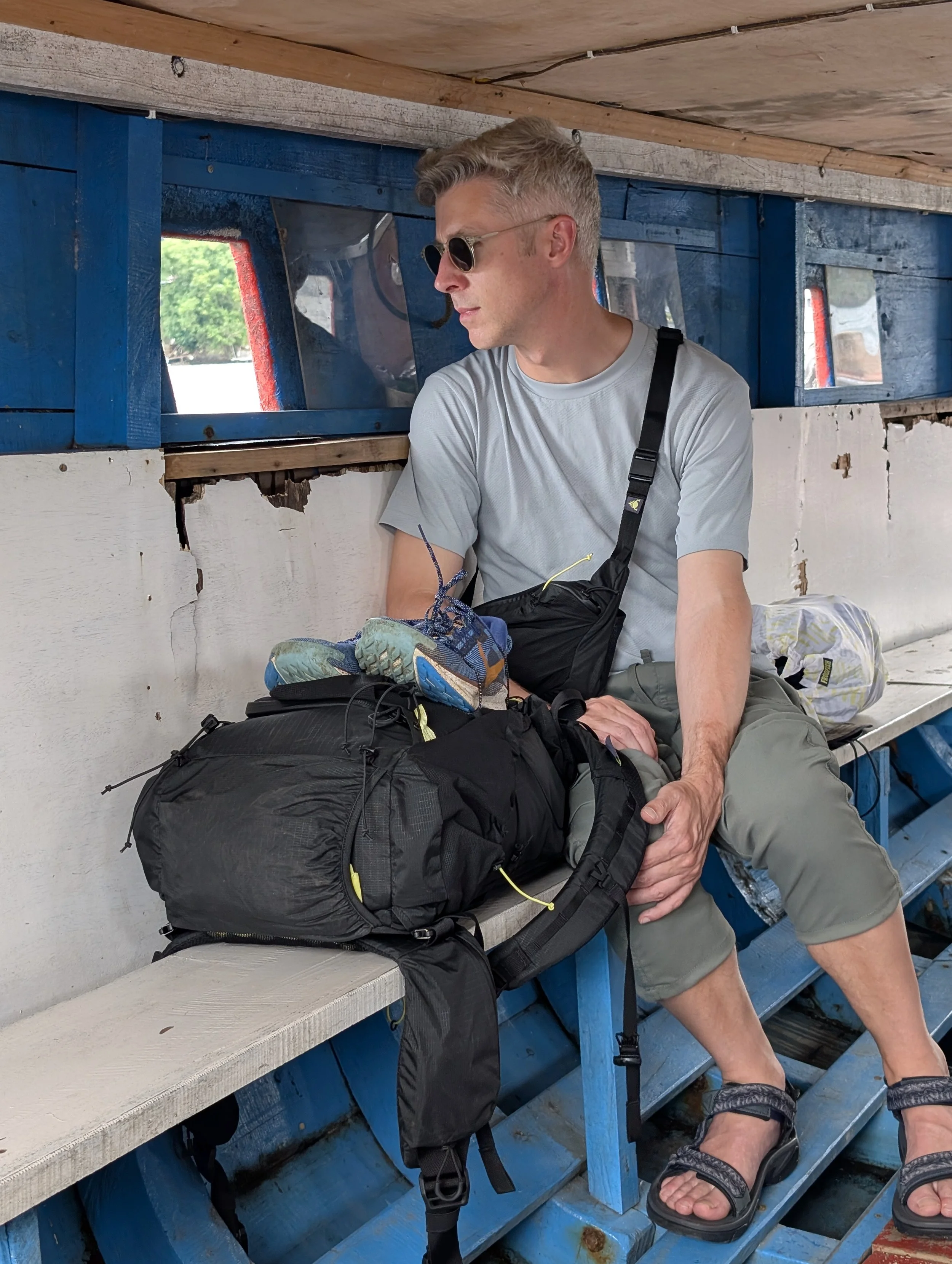
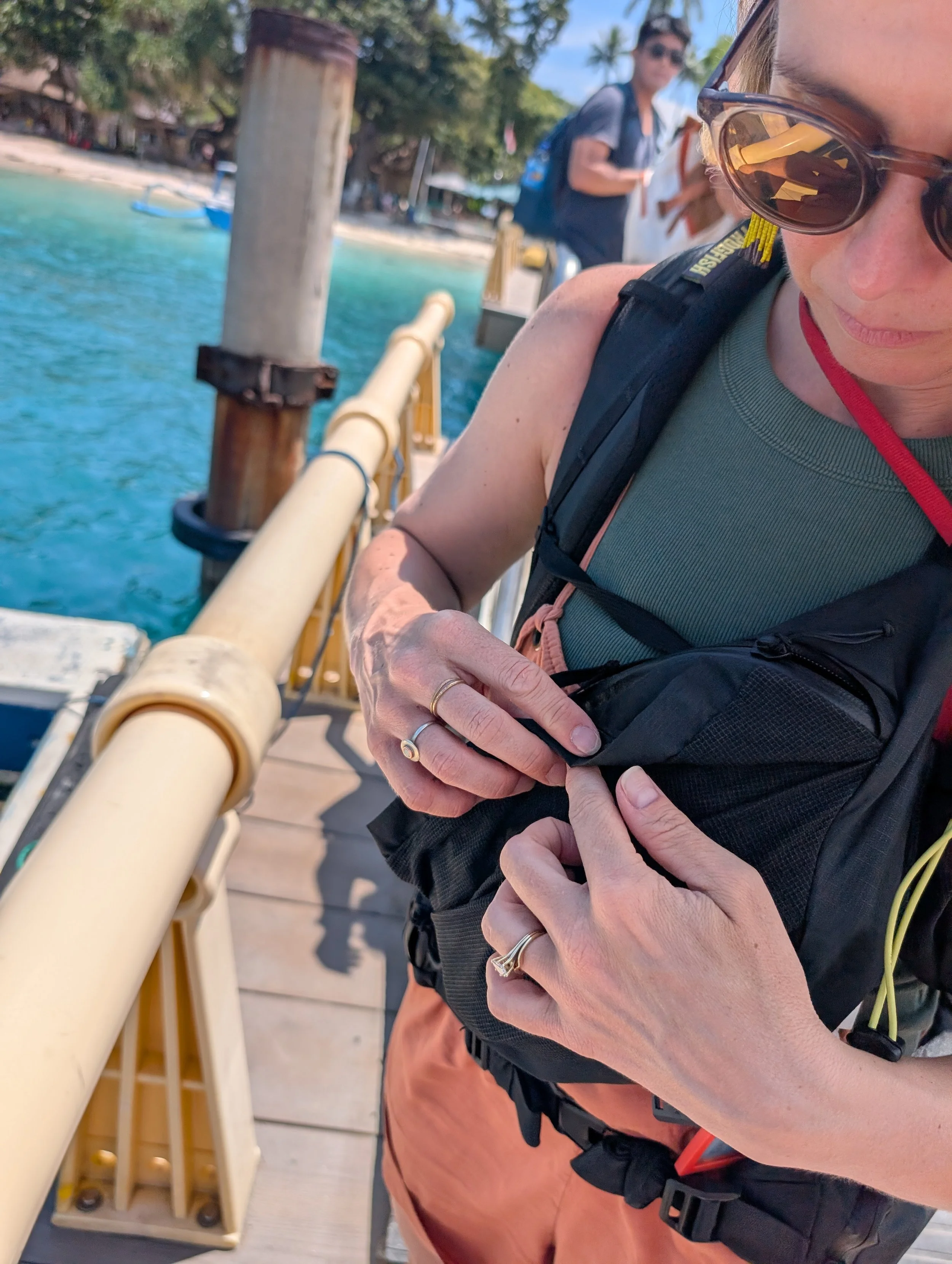
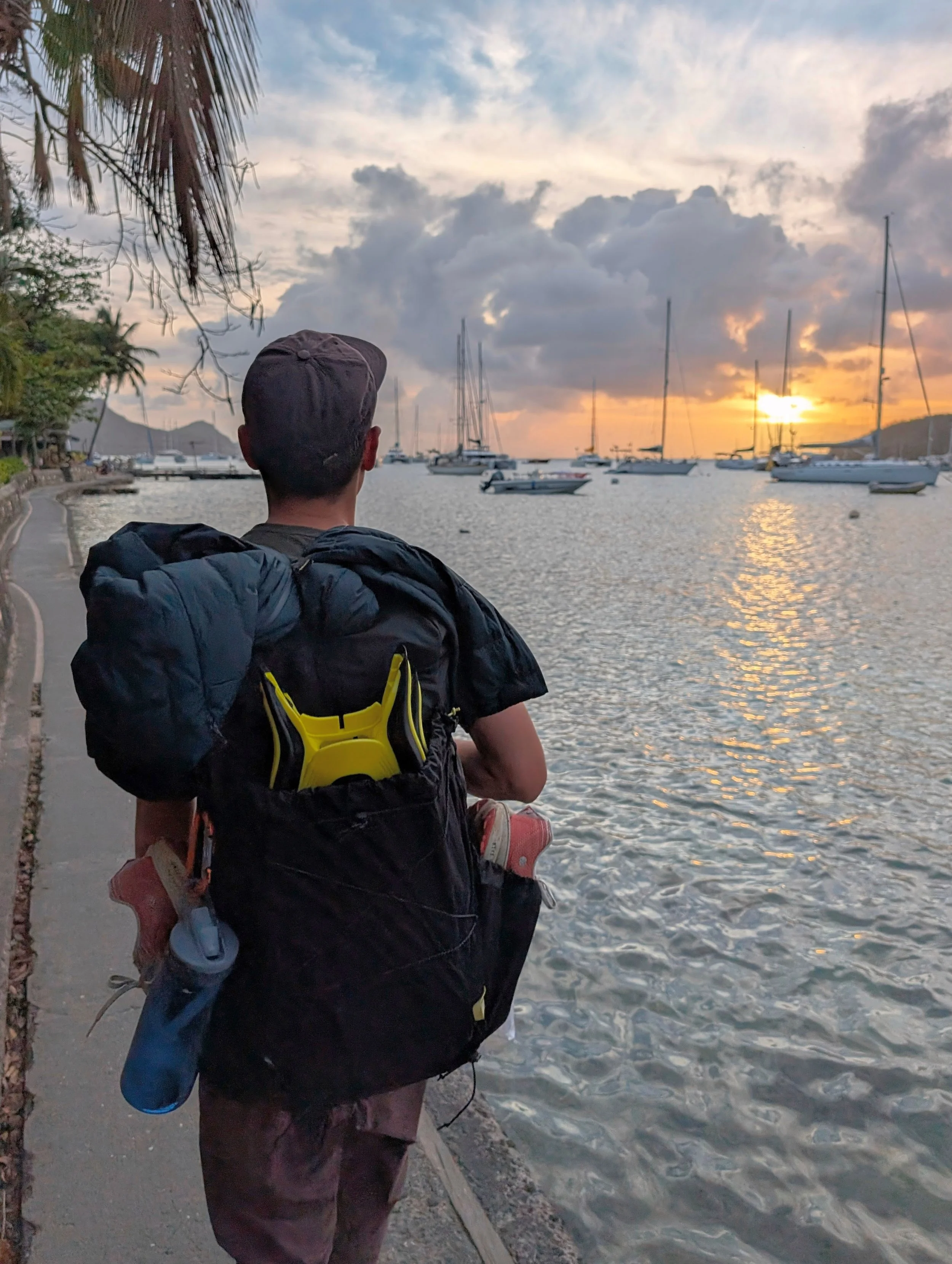
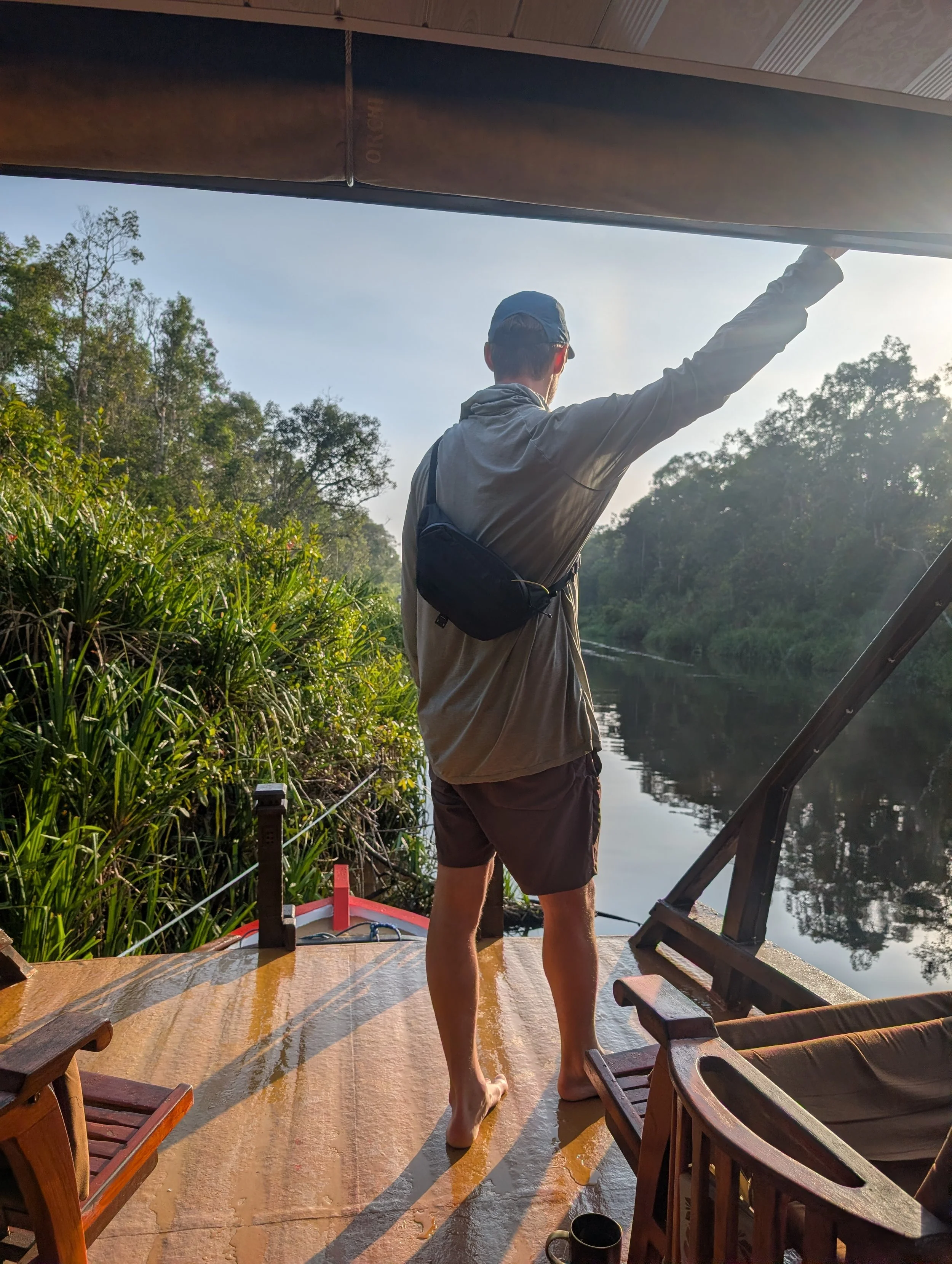
If you want to destroy a piece of gear, take it to the tropics. Constant 90% humidity is brutal on textiles, but when you add corrosive salt water from scuba diving into the mix, fabrics deteriorate fast.
This environment was actually the final nail in the coffin for pure UHMWPE in our design. The outdoor industry treats pure UHMWPE like magic, but in the sticky, salty heat of a dive boat, we discovered a massive flaw: delamination. The layers of the heavily marketed, ultra-expensive fabric started to peel apart under the intense humidity and salt exposure. It looked terrible and compromised the weatherproofing. Finding that out in the field is exactly why we pivoted away from pure UHMWPE and went with the hybrid ripstop nylon instead. It breathed better, held its shape, and shrugged off the salt.
City Adventures: Tokyo and the Ryanair Test
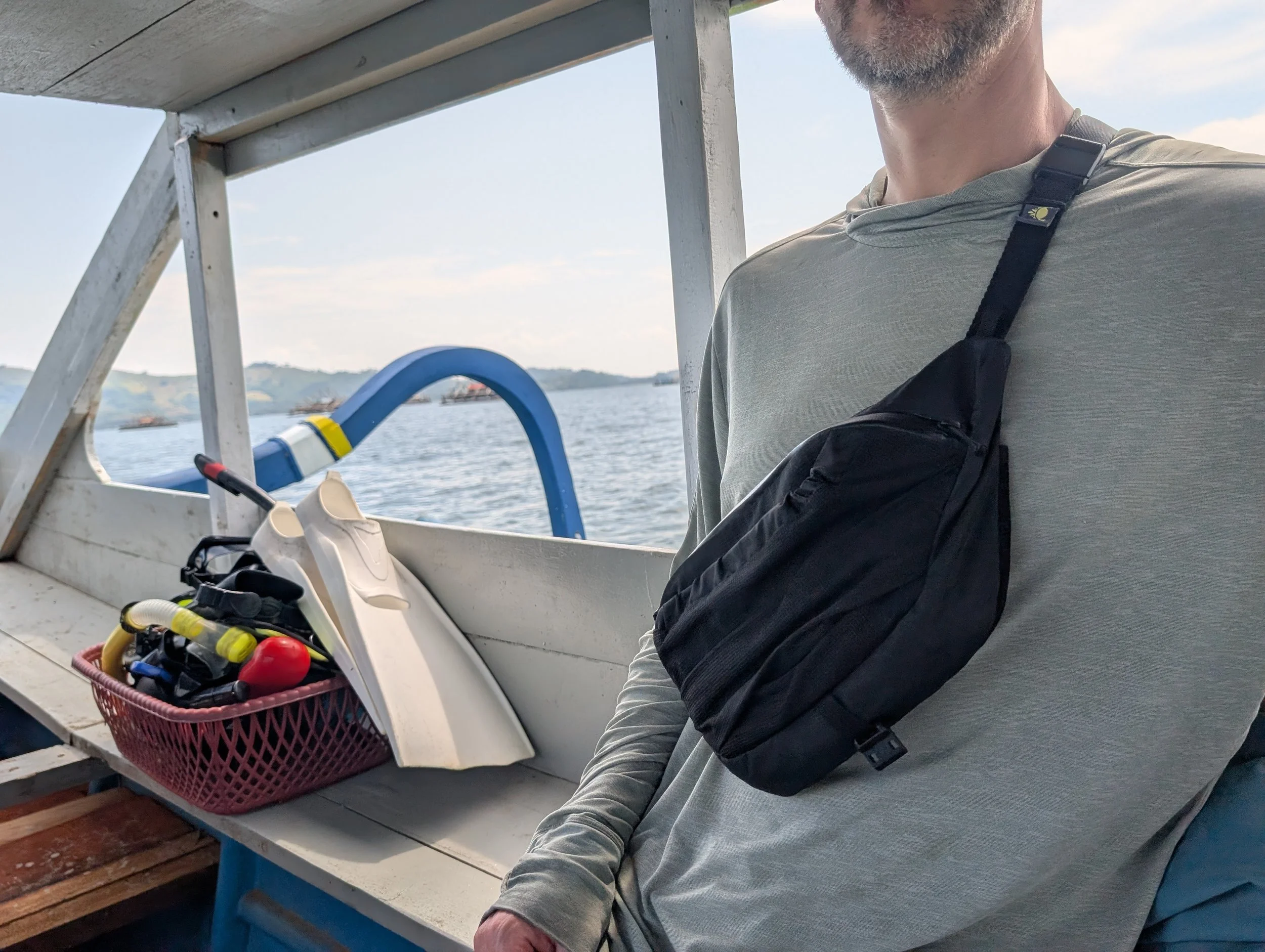
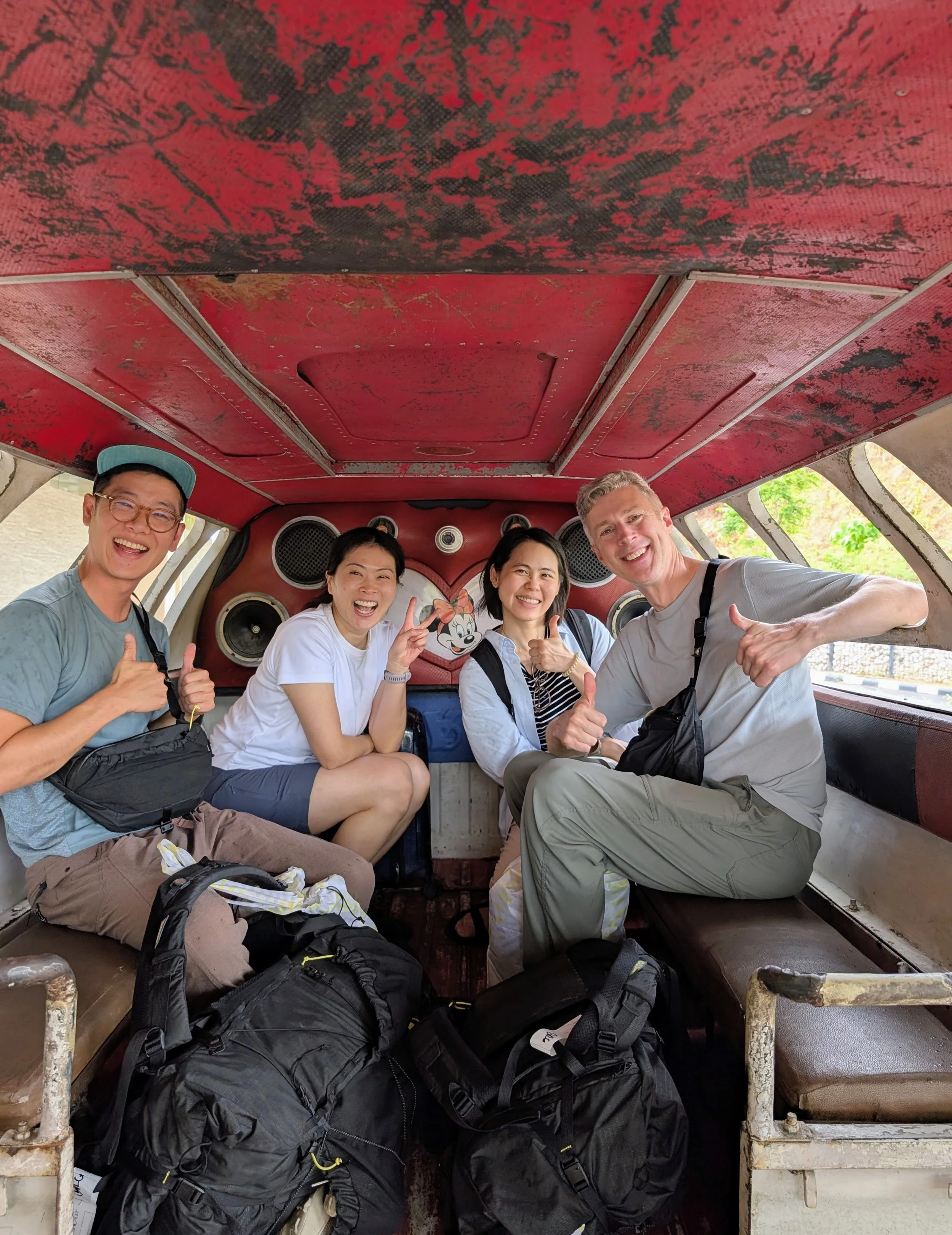
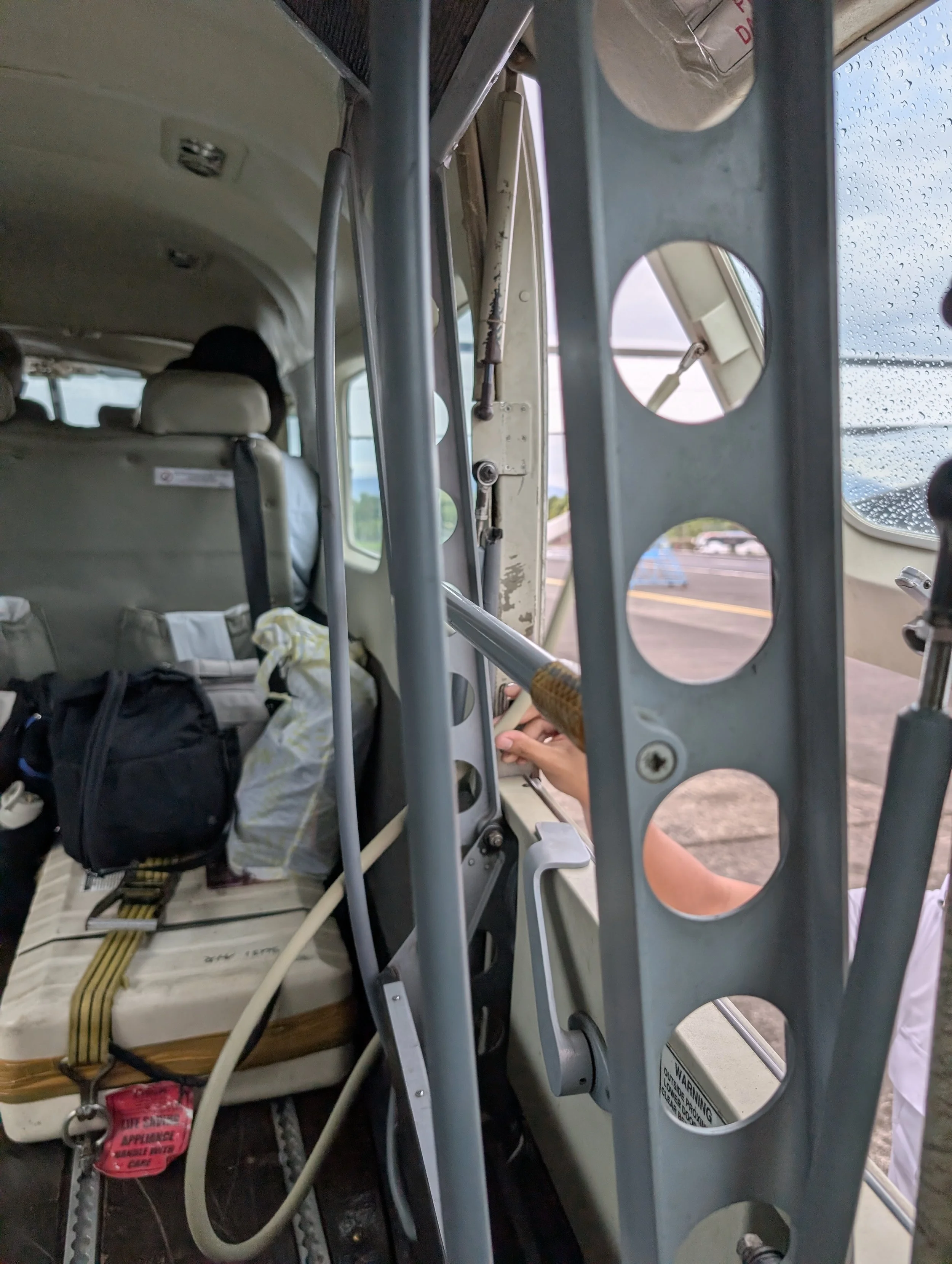
The whole point of the Frogfish pack was to bridge the gap between the backcountry and the city. To test the urban transitions, we took it through the crowded streets of Tokyo and across Europe on budget airlines.
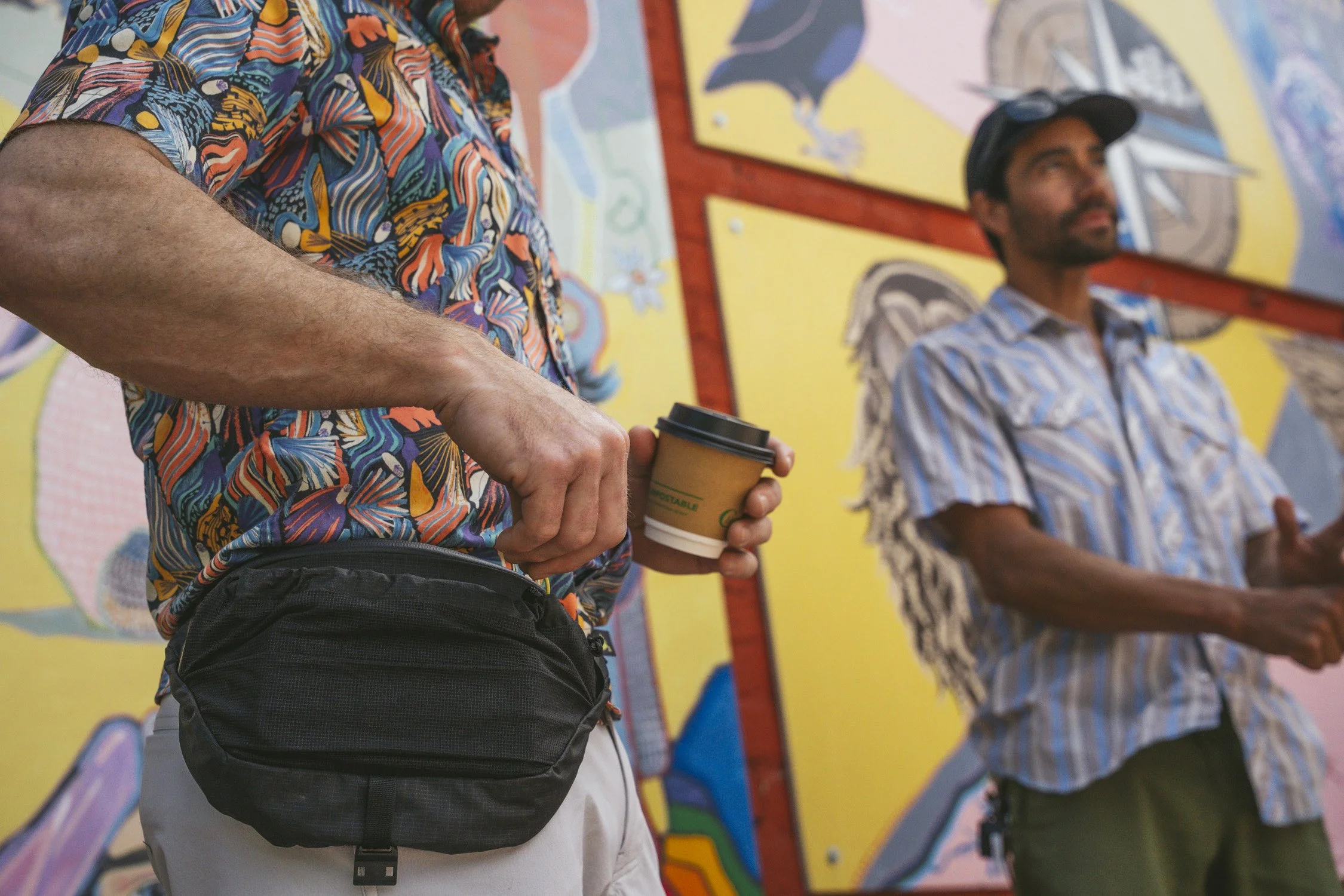
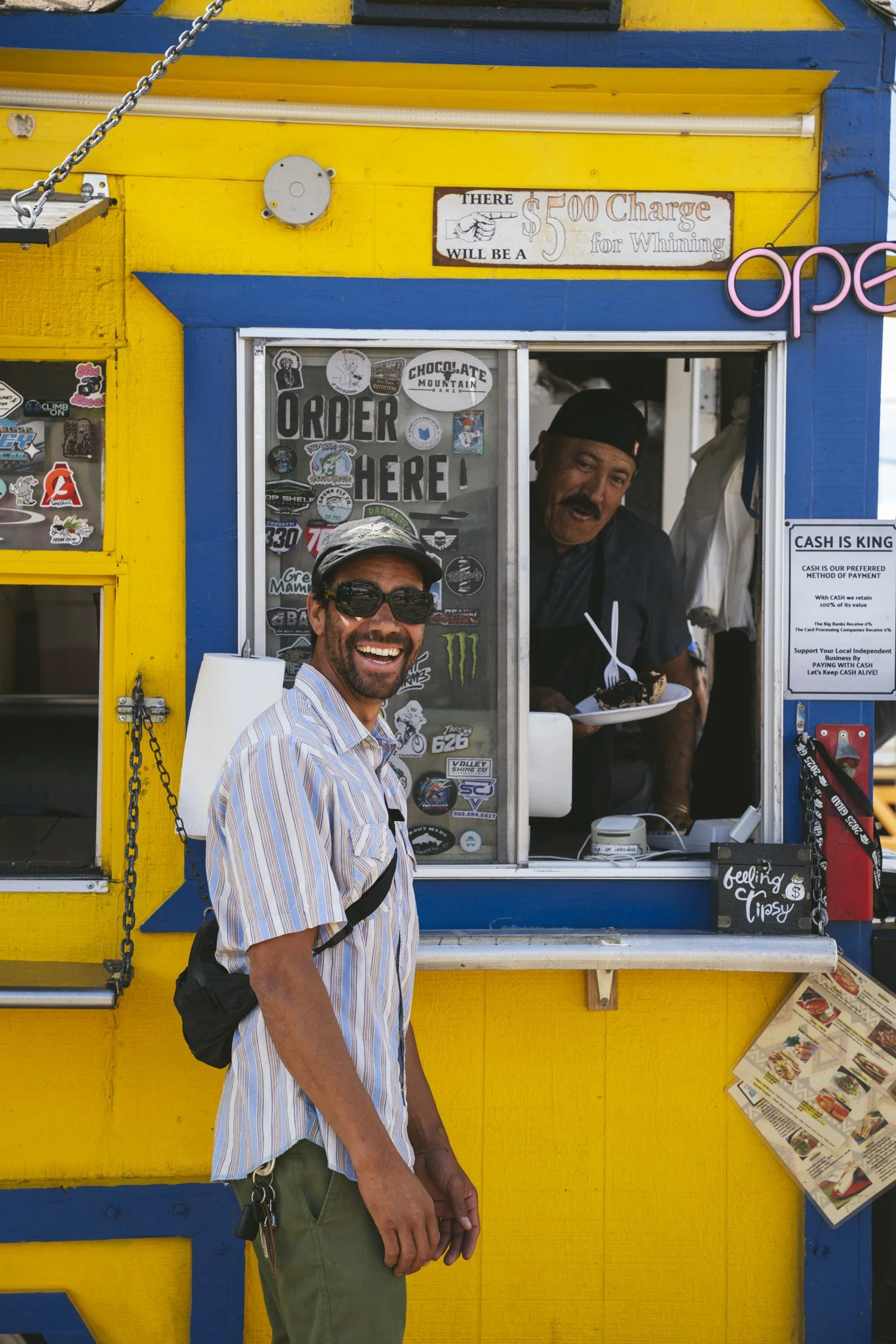
This is where the modularity finally paid off. Dropping the main pack at a tiny Airbnb in Shinjuku, detaching the built-in sling, and walking out the door with just a camera and a wallet felt like a massive victory. It functioned exactly as intended—we didn't look like backpackers, we just looked like locals.
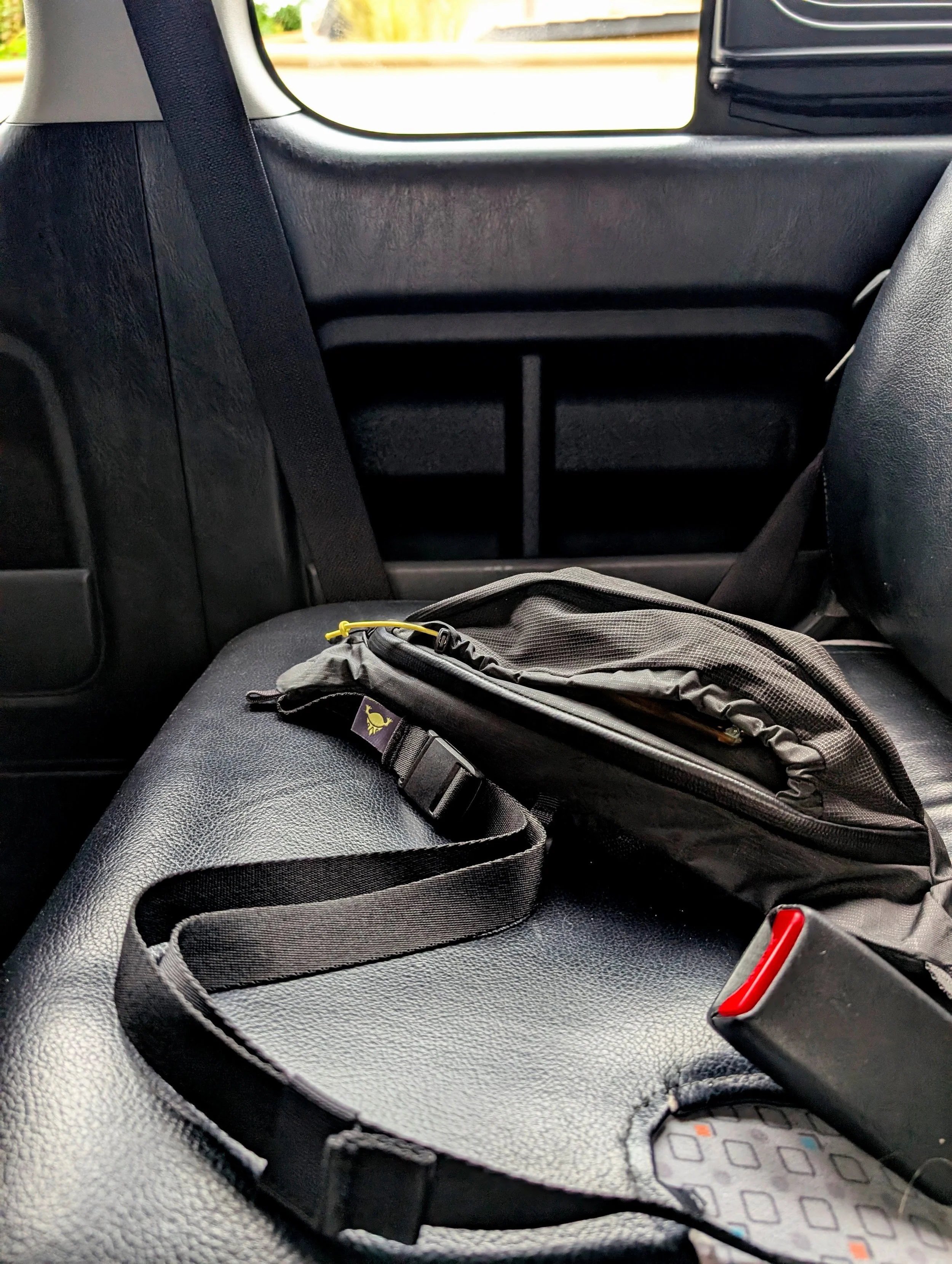
It also easily passed the ultimate stress test: Ryanair gate agents. Because of the bag's soft-structure design and clean silhouette, it slid right into the notoriously tiny budget airline sizers without catching on random tactical straps.
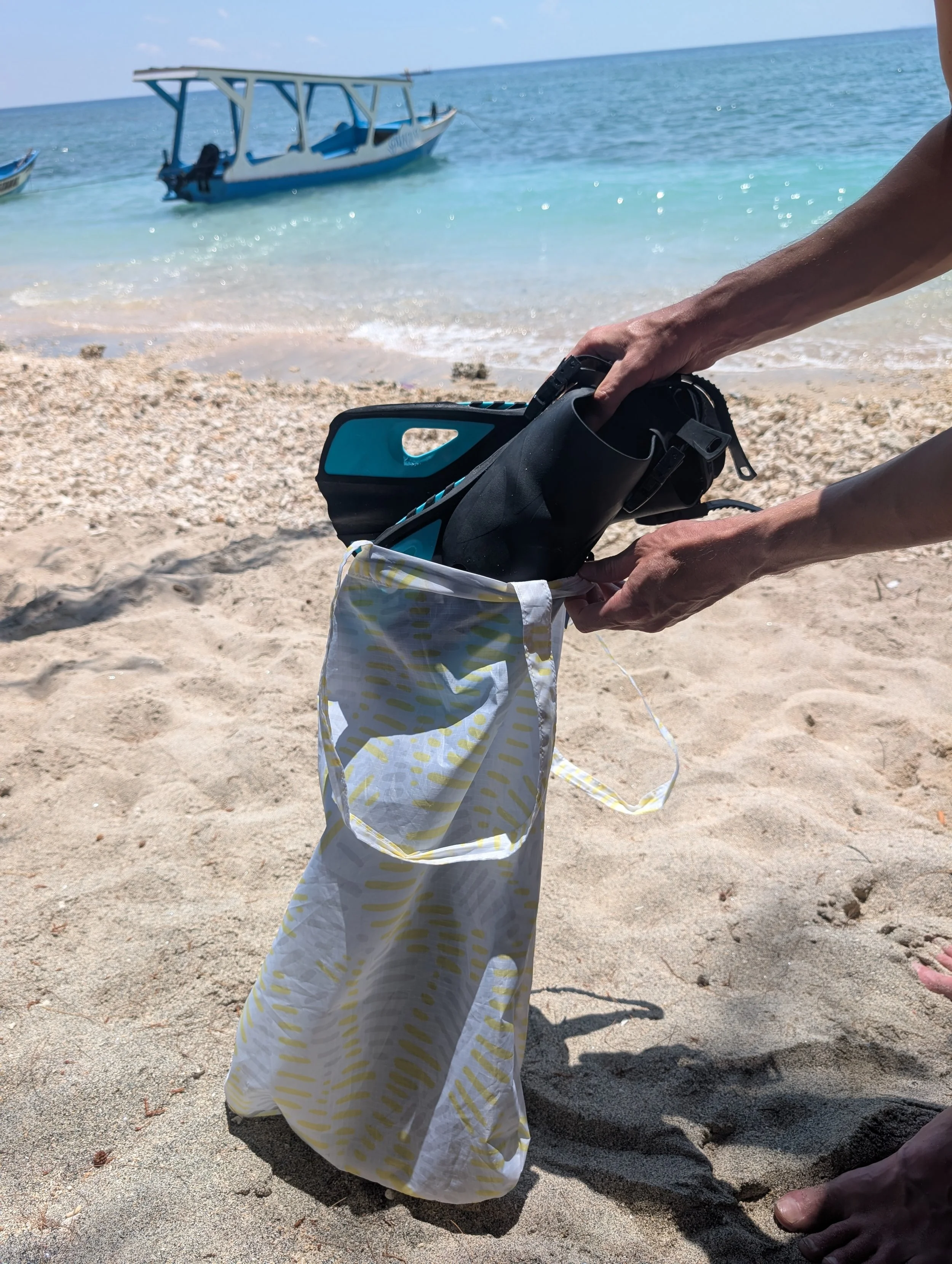
But the biggest surprise of the city testing wasn't the bag itself—it was the laundry. When you are living out of a 30L bag, a few dirty shirts will quickly make the entire pack smell. We realized an airtight, dedicated laundry bag wasn't just a nice accessory; it was an absolutely essential piece of the travel kit to keep the clean gear fresh in a confined space.
Concept Complete
When we finally returned home and threw the battered prototypes on the cutting table, they were dirty, scuffed, and completely proven.
I started this project because I was tired of compromising. I wanted to see if it was actually possible to build a single, modular system that refused to play by the outdoor industry's rules. Over the last couple of years, through intense R&D, countless failed prototypes, and a deep dive into the global supply chain, we proved that it is.
The design is locked. The supply chain is mapped. The pack survived everything we threw at it.
With the engineering objectives fully met, I am officially vaulting the project. Frogfish Packs was an incredible exercise in brand architecture and product design, and it stands exactly as I wanted it to: as a completed, uncompromising case study in how to build a better way to travel.