

You can design the coolest bag in the world, but if you make it out of the wrong stuff, it’s still going to fail on the road.
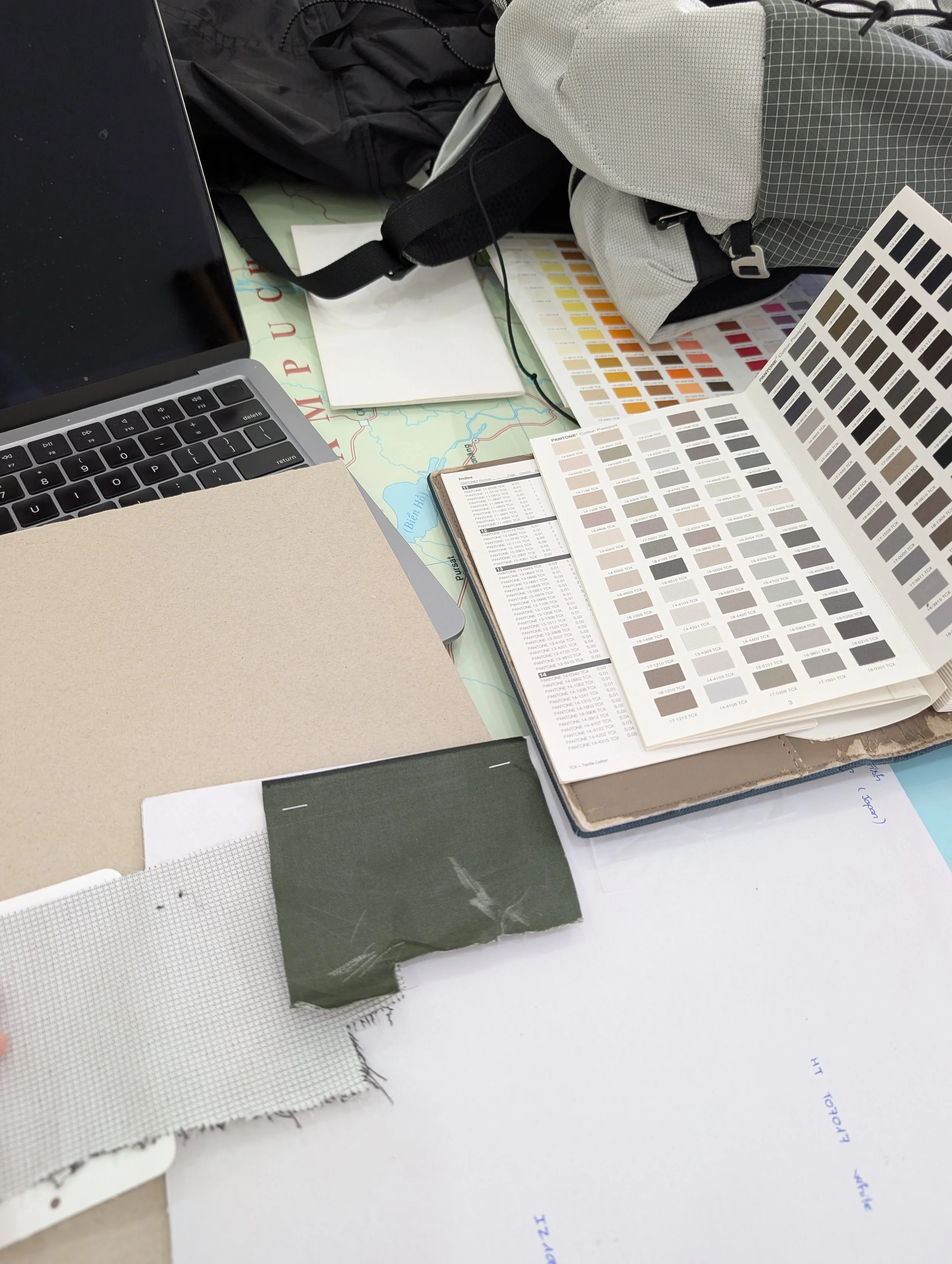
Once we had the physical architecture of the Frogfish pack dialed in, we had to figure out what to actually build it out of. I didn't want to just pick something off a fabric swatch book. I wanted to know exactly why we were using every single material on this bag.
Here is what it actually takes to spec out a bag from scratch, and why following industry hype is usually a mistake.
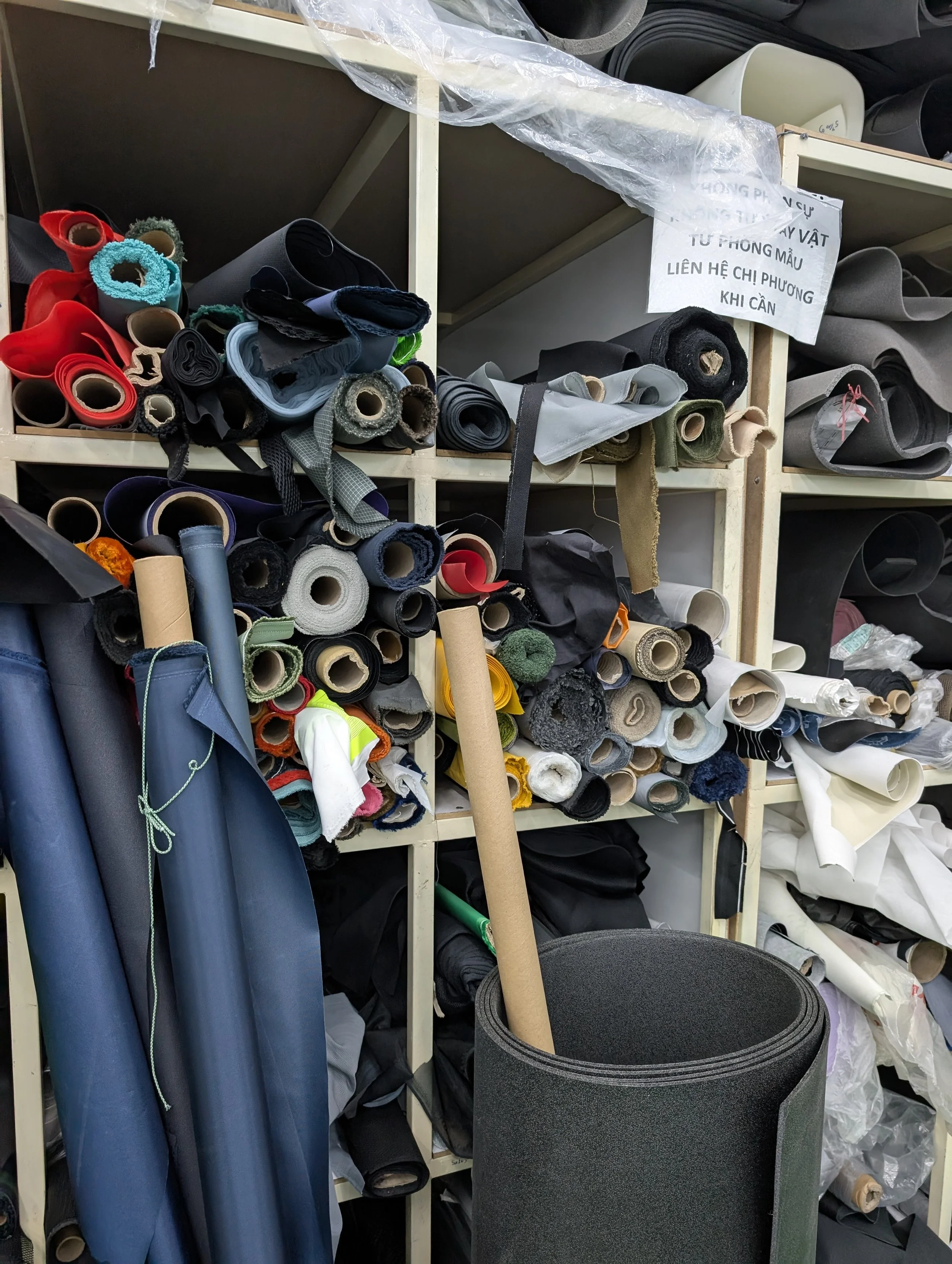
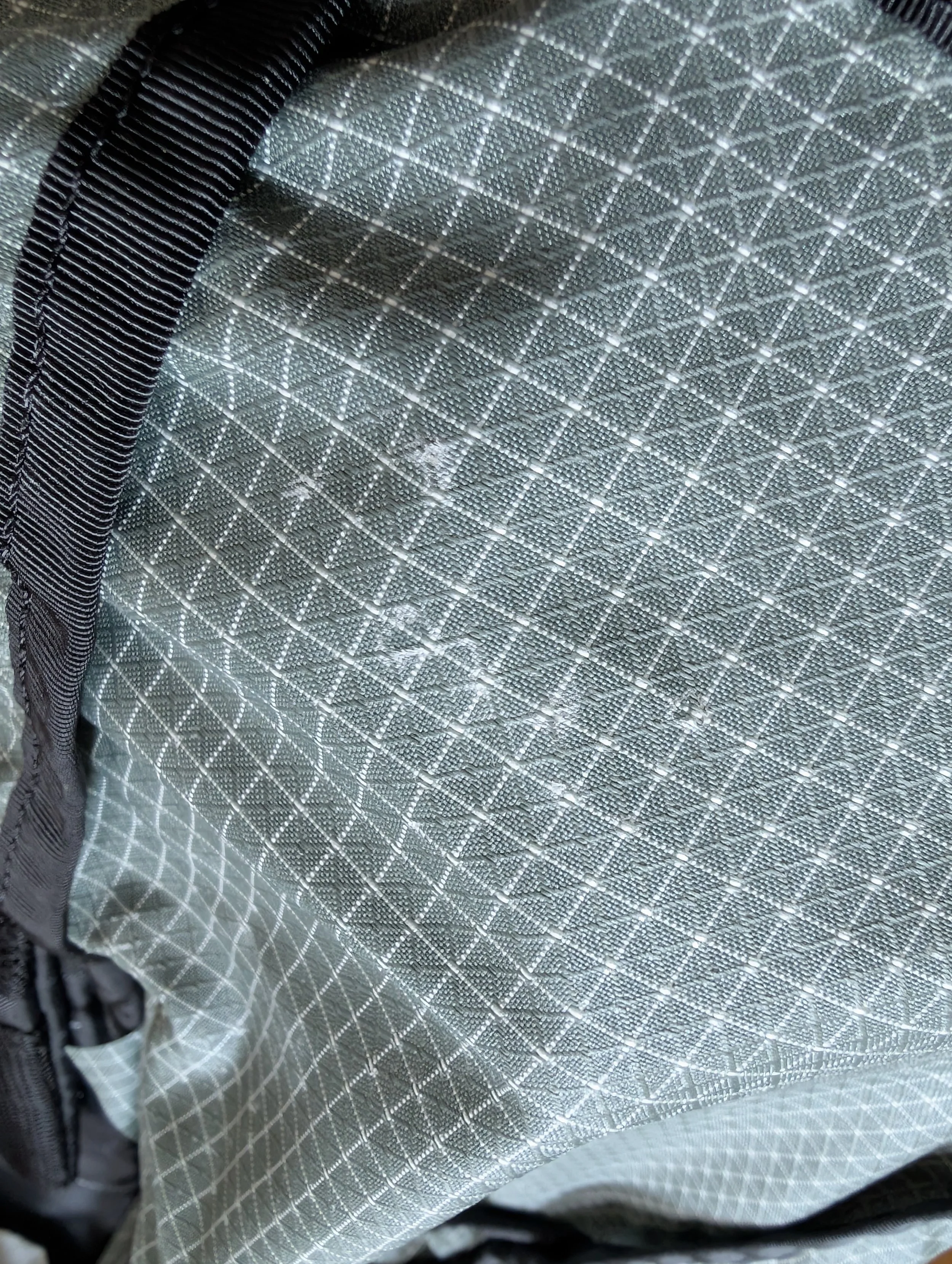
The Shell: Why the "Best" Material Isn't Always Right
If you spend any time on outdoor gear blogs, you know the obsession with pure UHMWPE (Ultra-High-Molecular-Weight Polyethylene). It’s got incredible marketing, it’s wildly expensive, and brands love to brag about it.
We tested all the heavy hitters for the main shell: Teijin Technoforce Steel, Ultra 200TX, Dyneema, standard nylon, and UHMWPE hybrids. On paper, pure UHMWPE seems like the obvious winner for tear strength and waterproofing. But during R&D, I realized a hard truth: your material is only as good as your design.
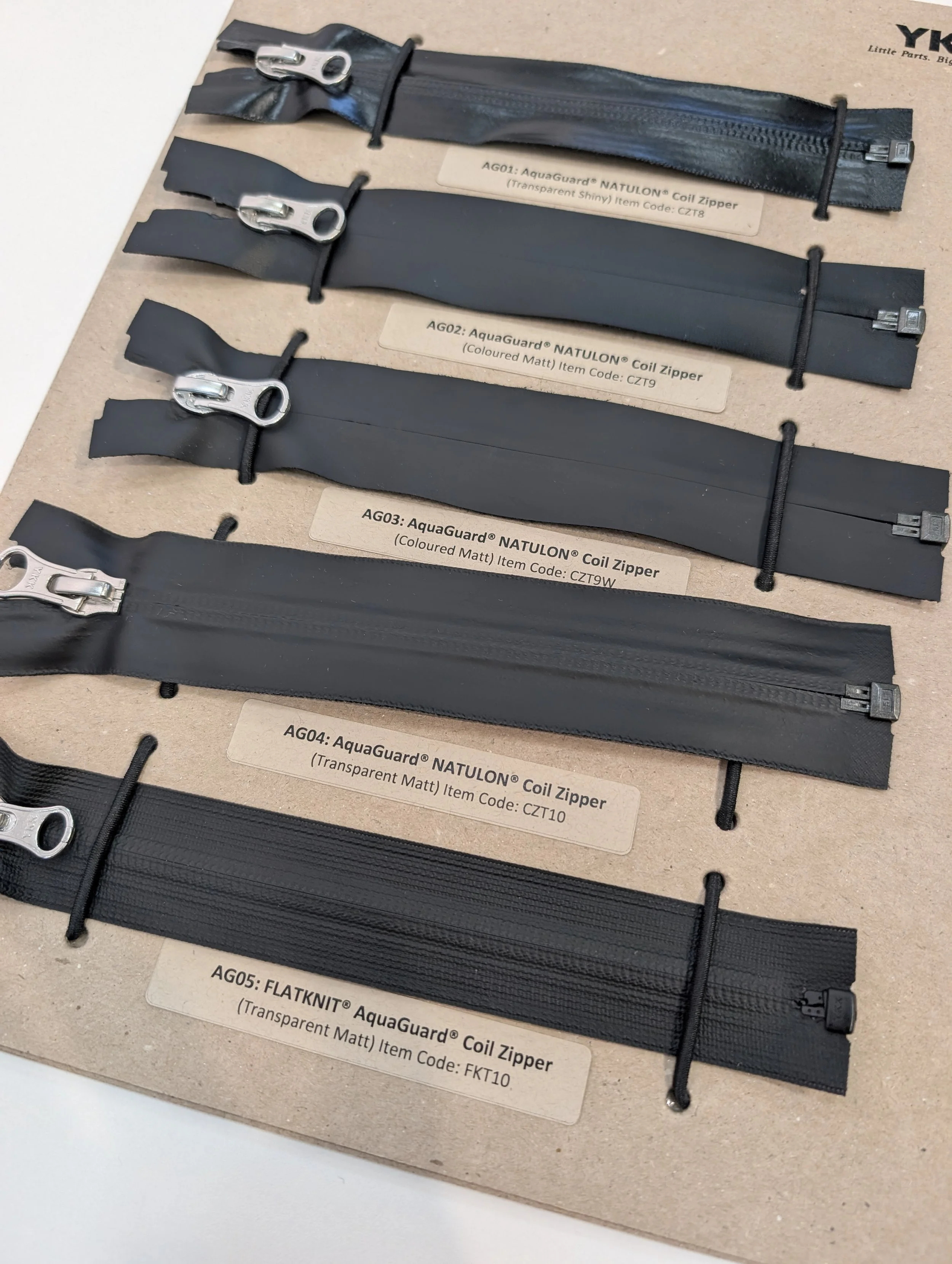
The Frogfish pack is a full-access front-loader. That means there is a massive zipper wrapping around the entire perimeter of the bag. If you have a giant zipper, paying a premium for a 100% waterproof shell is completely pointless; water will eventually get in through the zipper anyway (even with “waterproof” zippers).
Beyond that, pure UHMWPE is literally just plastic. A massive part of the minimalist travel ethos is having a positive impact on the environment. Pumping more pure plastic into the world just for the sake of a marketing flex didn't sit right with me. Ultimately, a 100% UHMWPE shell just didn't work for our design or our values. We went with a recycled hybrid approach that mixes UHMWPE ripstop and nylon instead. It gave us the grid-stop durability and light weight we needed, without the extreme cost, stiffness, and environmental baggage of the pure stuff.
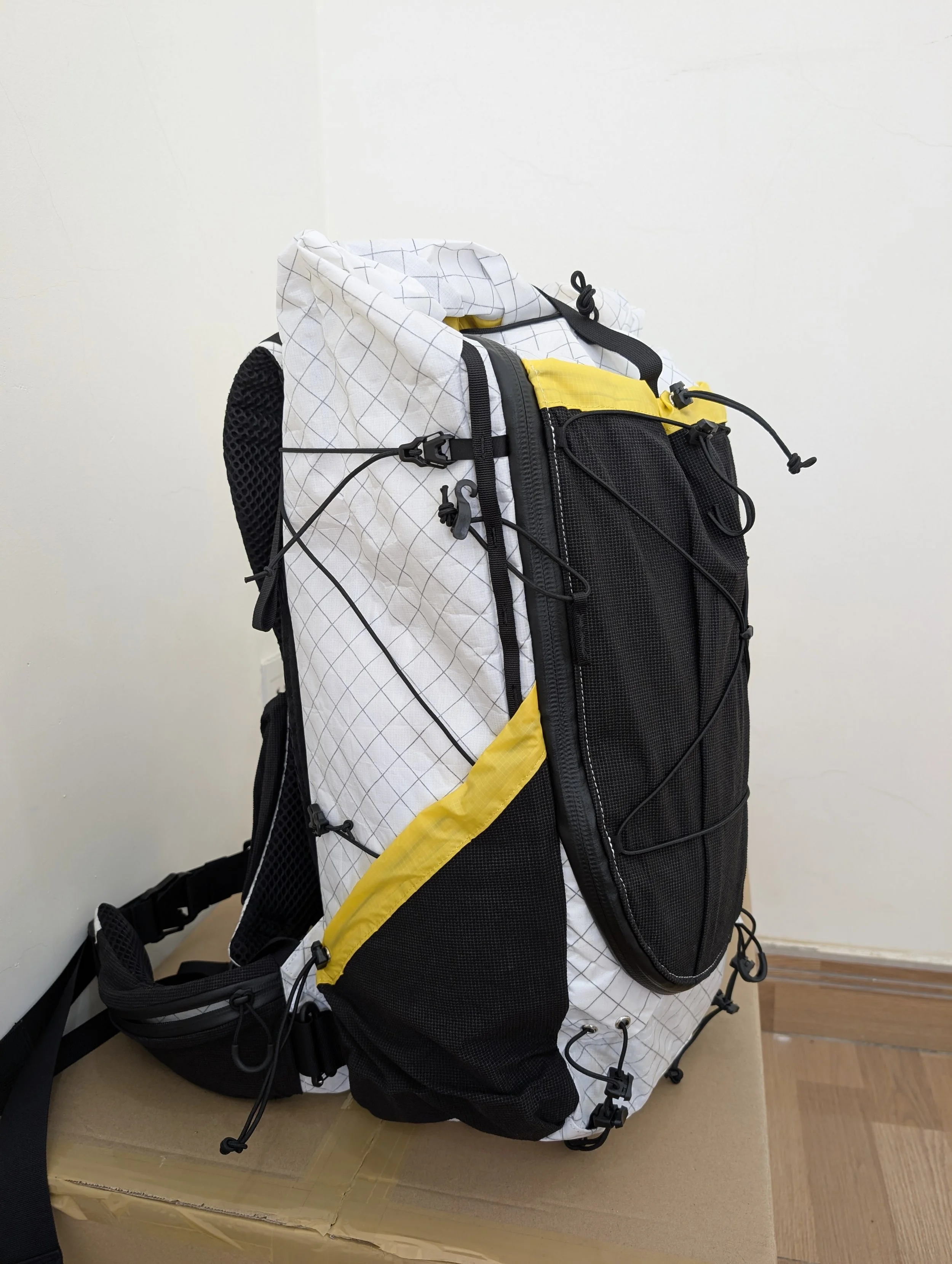
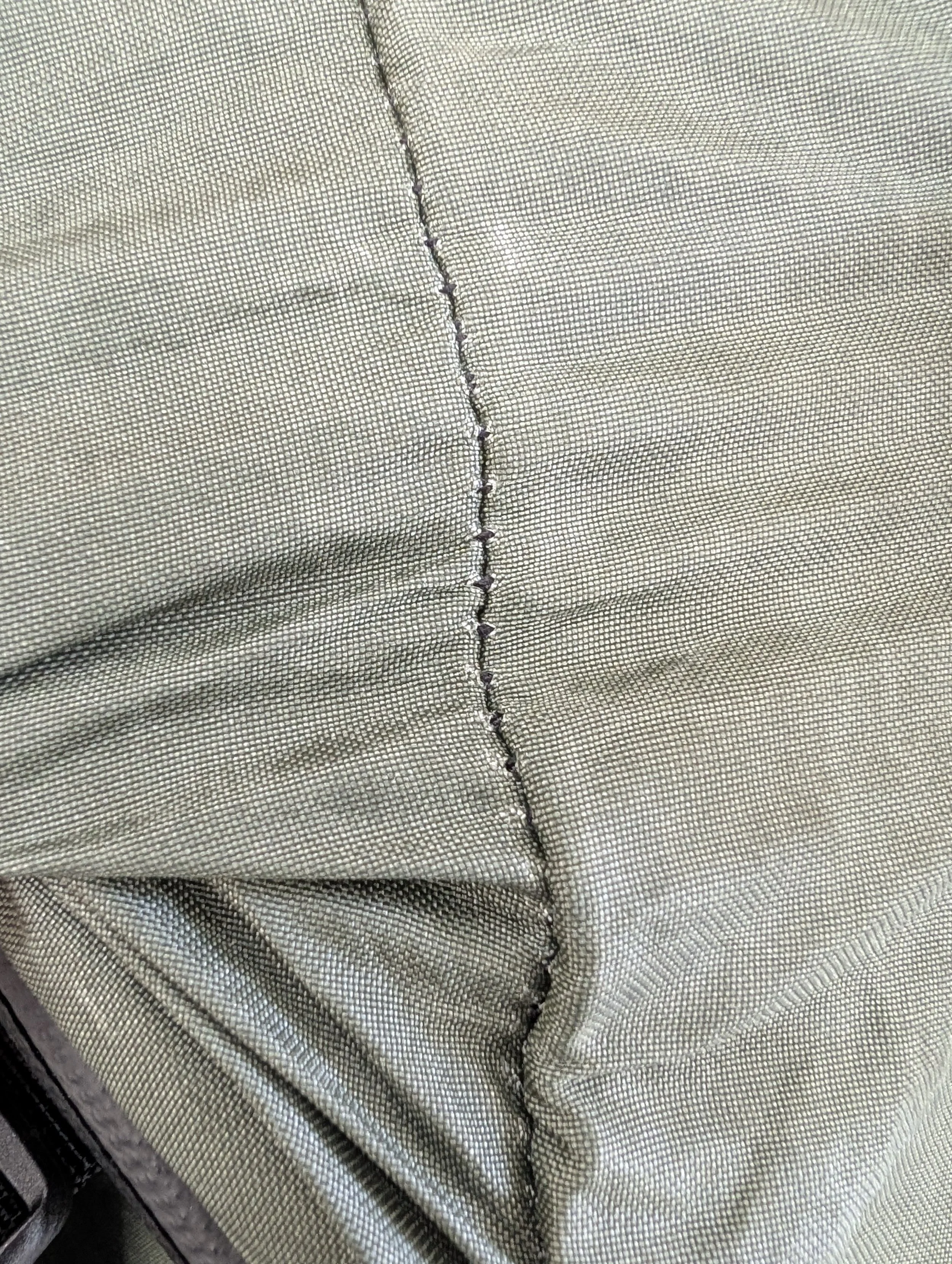
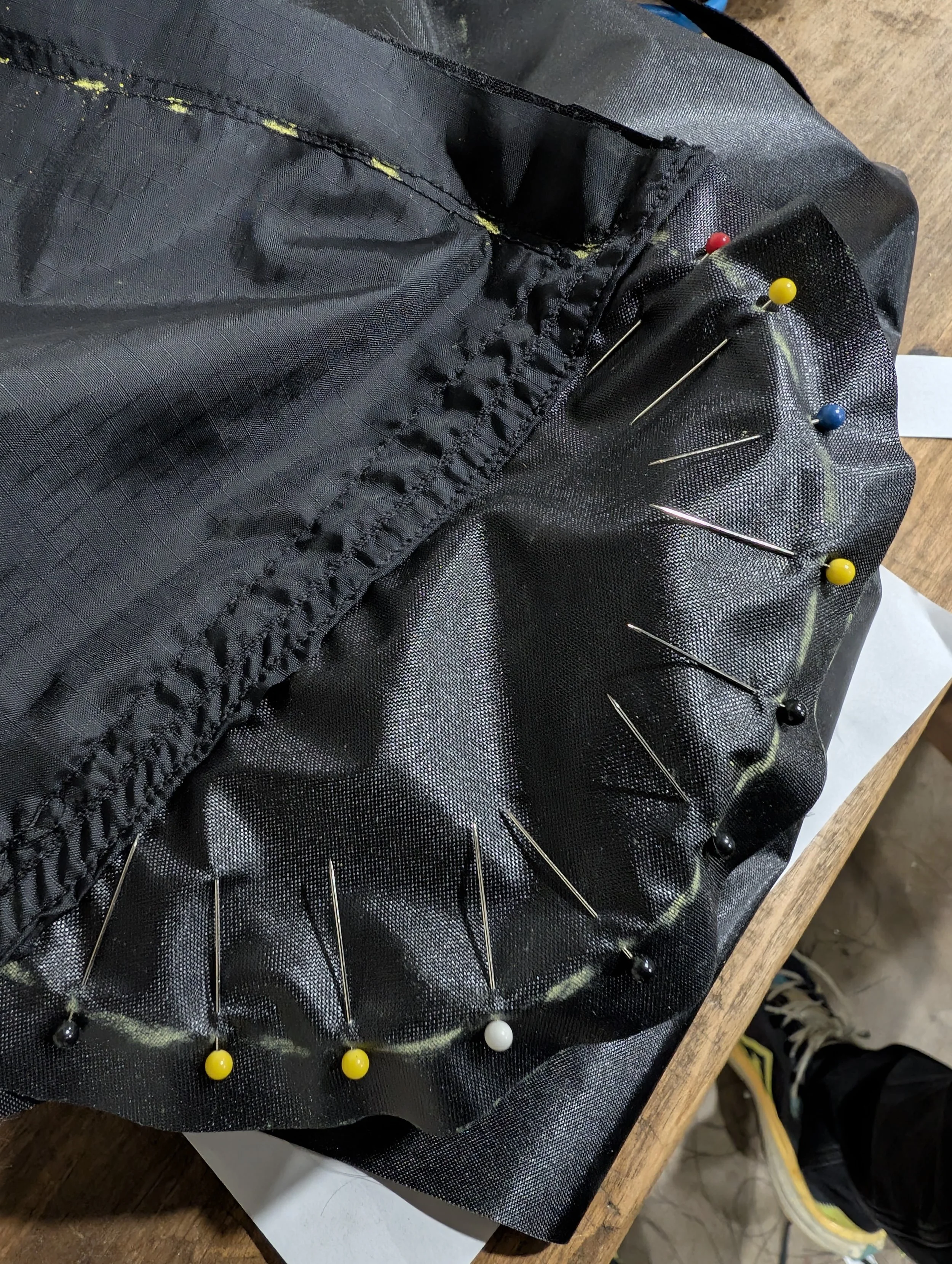
Hardware: Ounces Equal Pounds
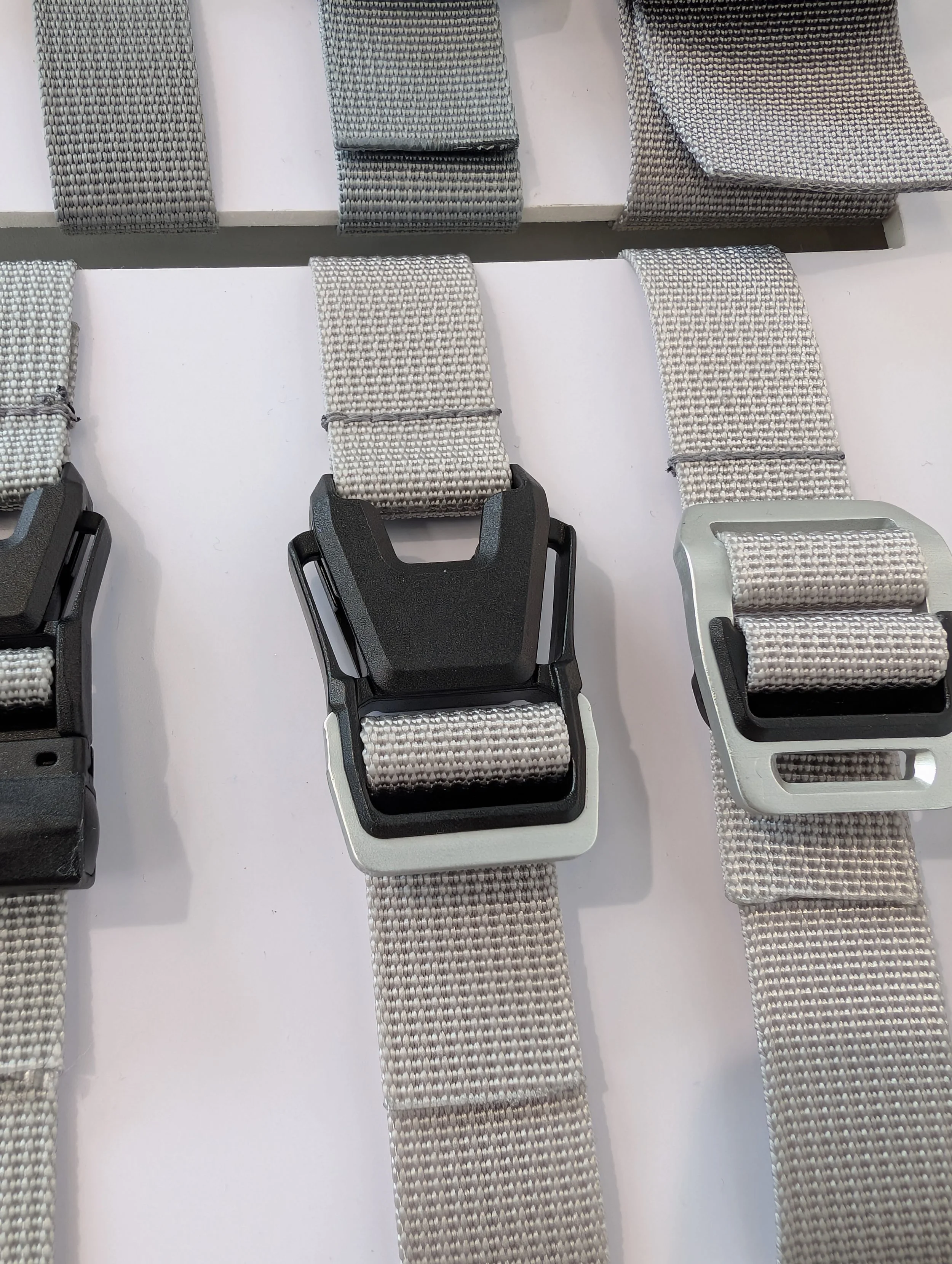
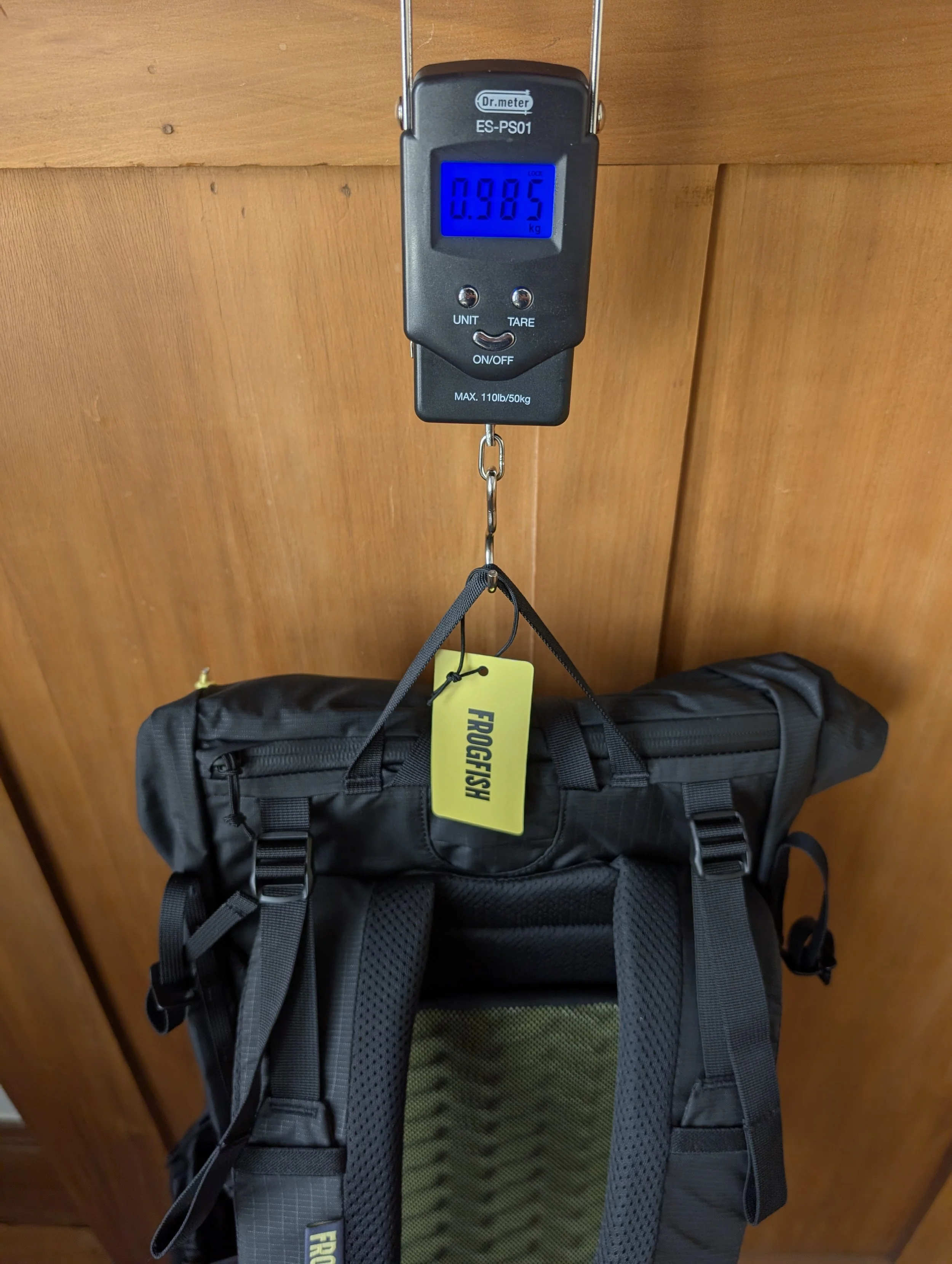
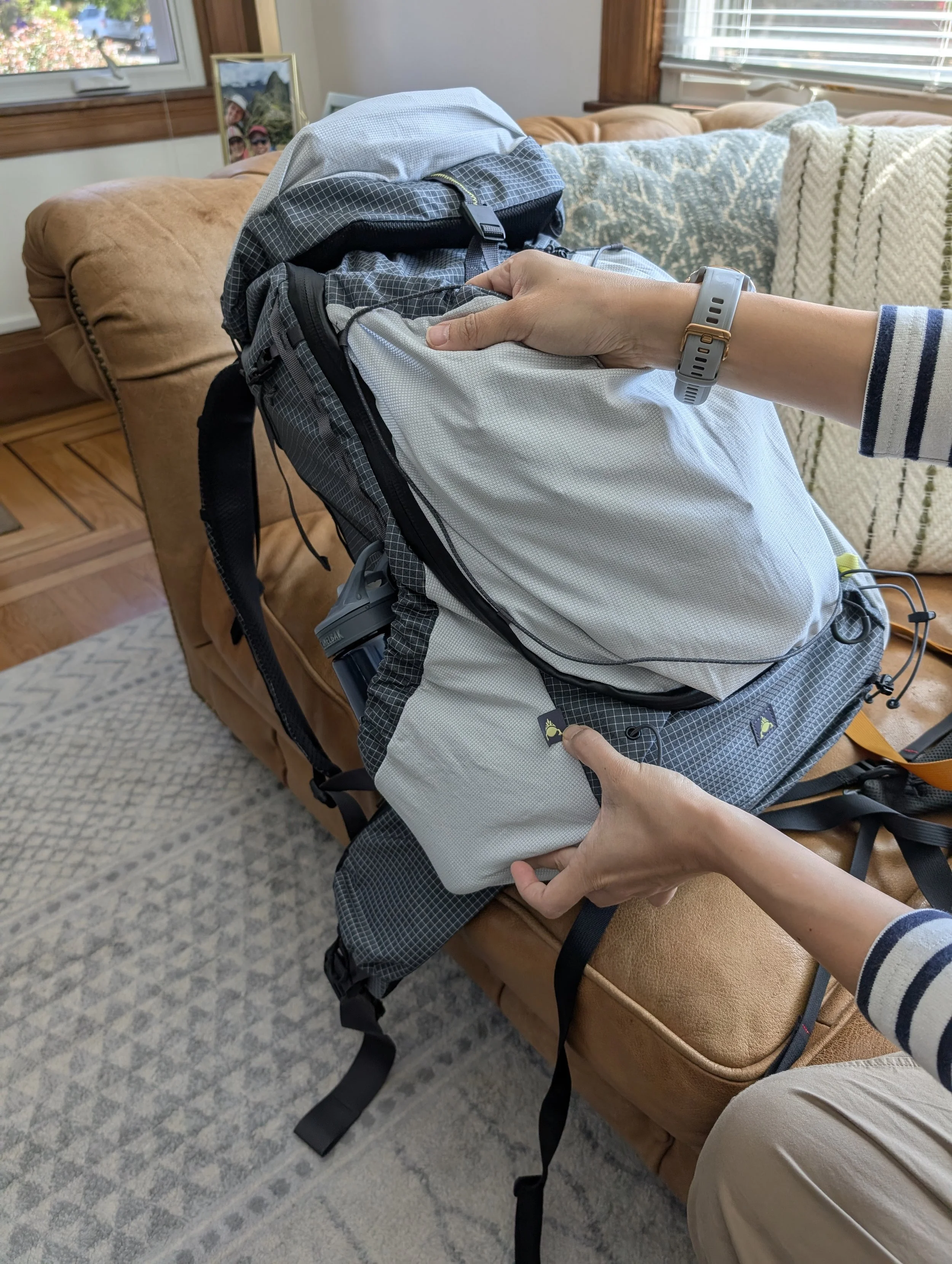
Hardware is where bags get heavy fast. It is incredibly tempting to slap heavy metal Cobra buckles all over a pack because they look tactical and cool. But when you’re walking around a city for six hours, you feel every single ounce of that metal.
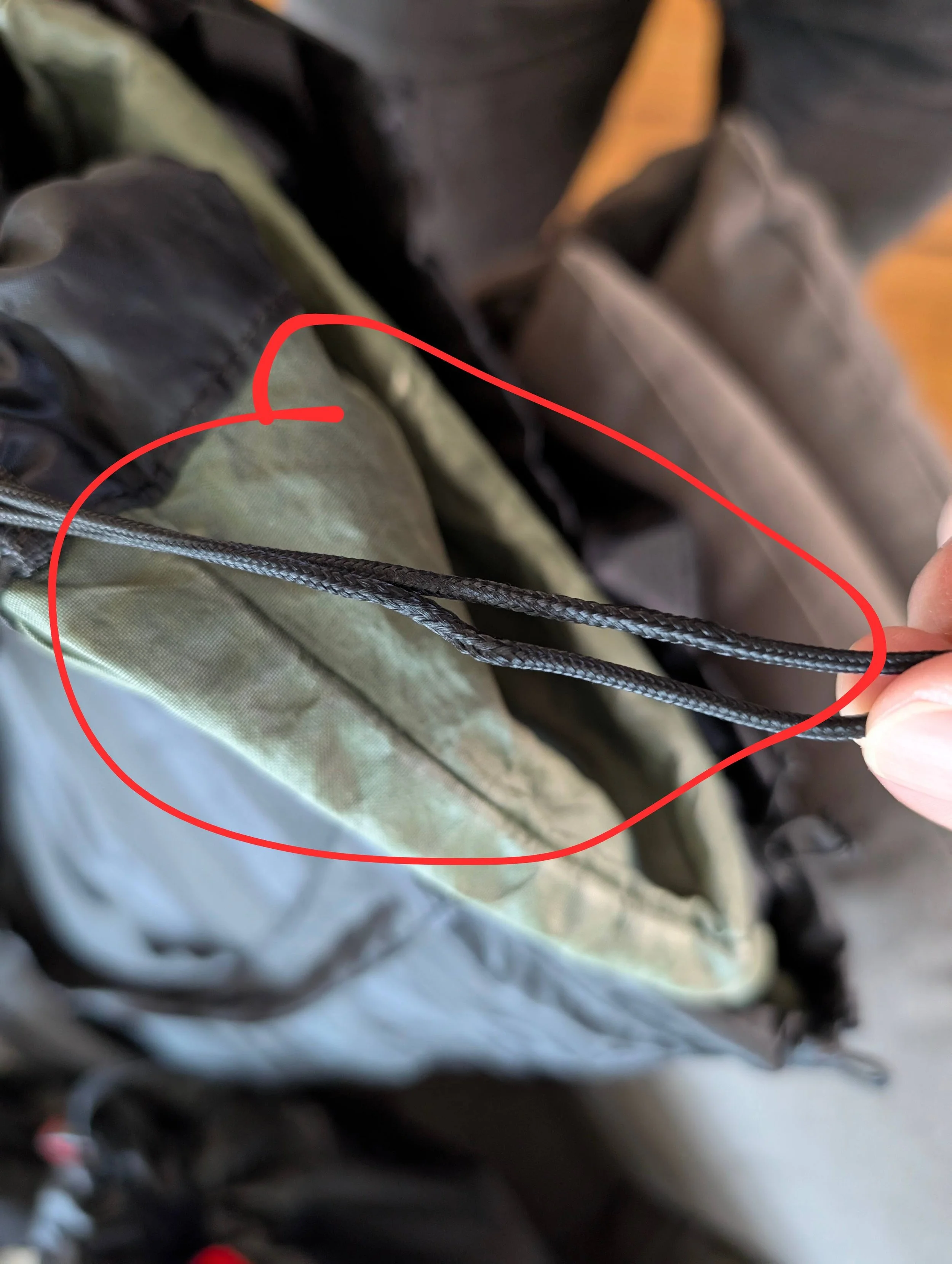
We scrutinized every zipper, magnetic buckle, and G-hook on the bag. The goal was to find components that were tactile and easy to operate with one hand (even if it was freezing or you were wearing gloves), while keeping the overall weight to an absolute minimum.
The Pockets: The Boot Test
There is nothing worse than an exterior stretch pocket that bags out and sags after a month of use. It looks terrible and catches on everything.
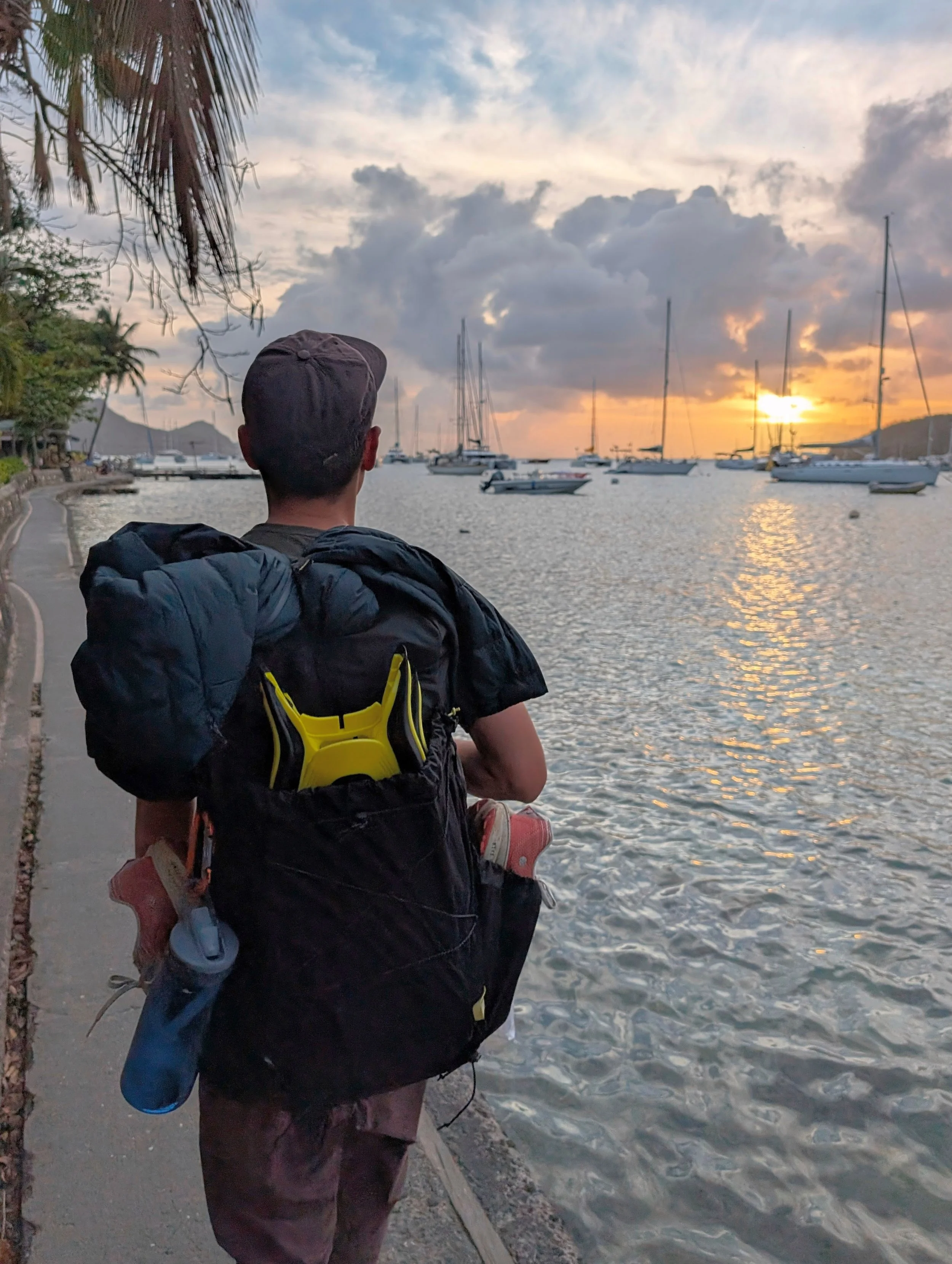
We tracked down an ultra-stretch material that’s actually woven with UHMWPE fibers. It can stretch to hold massive, awkward items, but it has aggressive recovery, meaning it snaps back perfectly flat to keep the bag looking clean. To make sure it wasn't just good on paper, we abused it in the field. I repeatedly jammed my long scuba diving fins, muddy hiking boots, and other highly abrasive gear into those outer pockets. A year later and the material still looks brand new.
The Back Panel: The Laptop Dilemma
Hiking packs always make you sweat - no matter if the back panel is arched or not. Arched panels use rigid, internal frames to pull the bag away from your body, creating a massive air tunnel. I love that feature on the trail, but it is physically impossible to do on a travel bag. Why? Because travel bags need a flat laptop sleeve sitting right against your back for weight distribution. You can't bend a laptop.
Without an arched frame, we had to rely on foam contouring. We tested a bunch of different panel designs, even cutting up high-end foams used in mattresses. Out on the trail, it was instantly obvious which foams breathed and which ones just trapped a ton of body heat. We ended up designing a deeply contoured, lightweight foam panel that is entirely removable. You can pull it out to wash it, and if you're taking a break on a dirty trail, it pulls double duty as a great sit-pad.
We also focused heavily on mixing and matching the right foams for the shoulder pads and hip belts so that you can carry heavy weights for extended period of time.
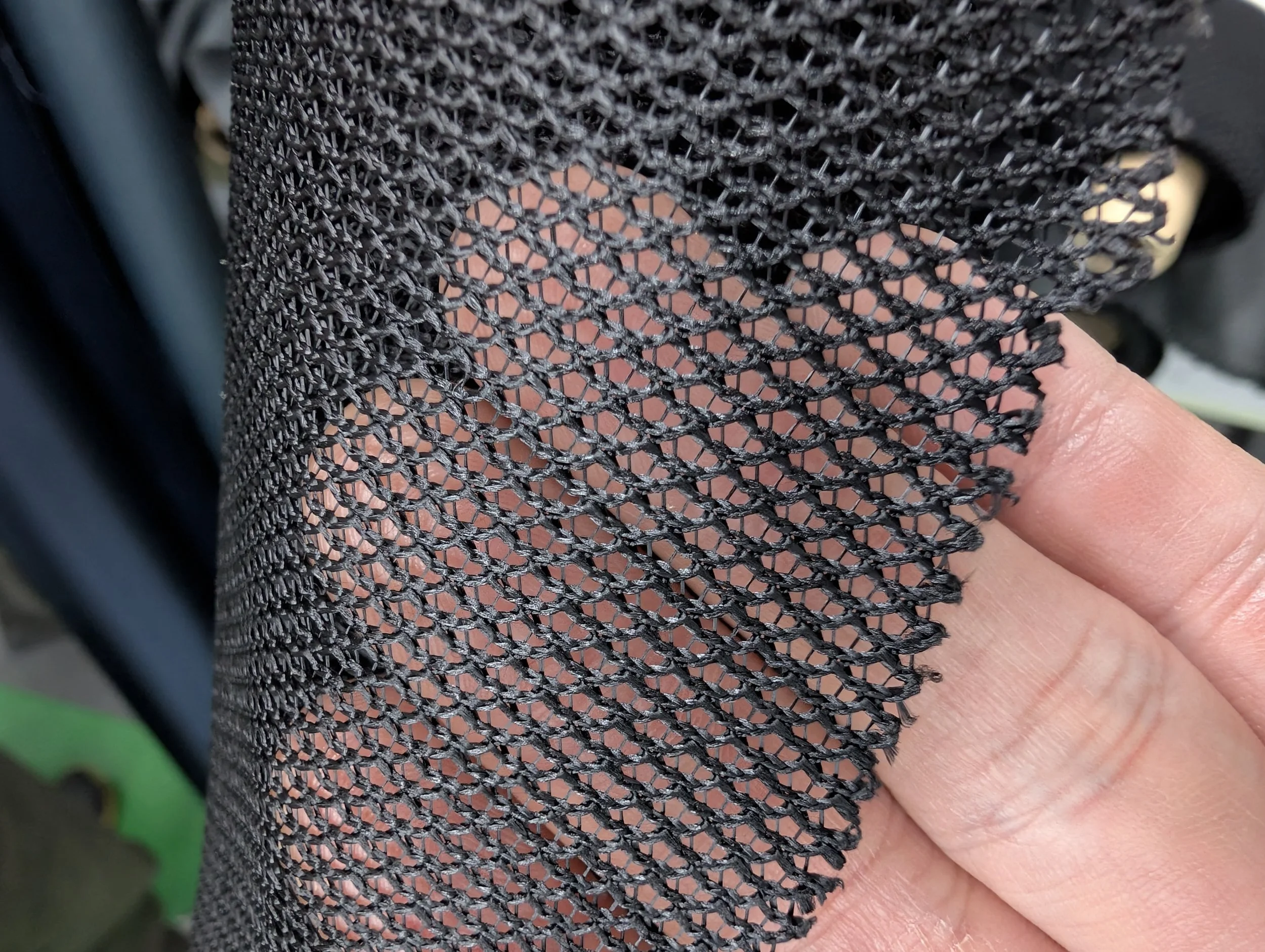
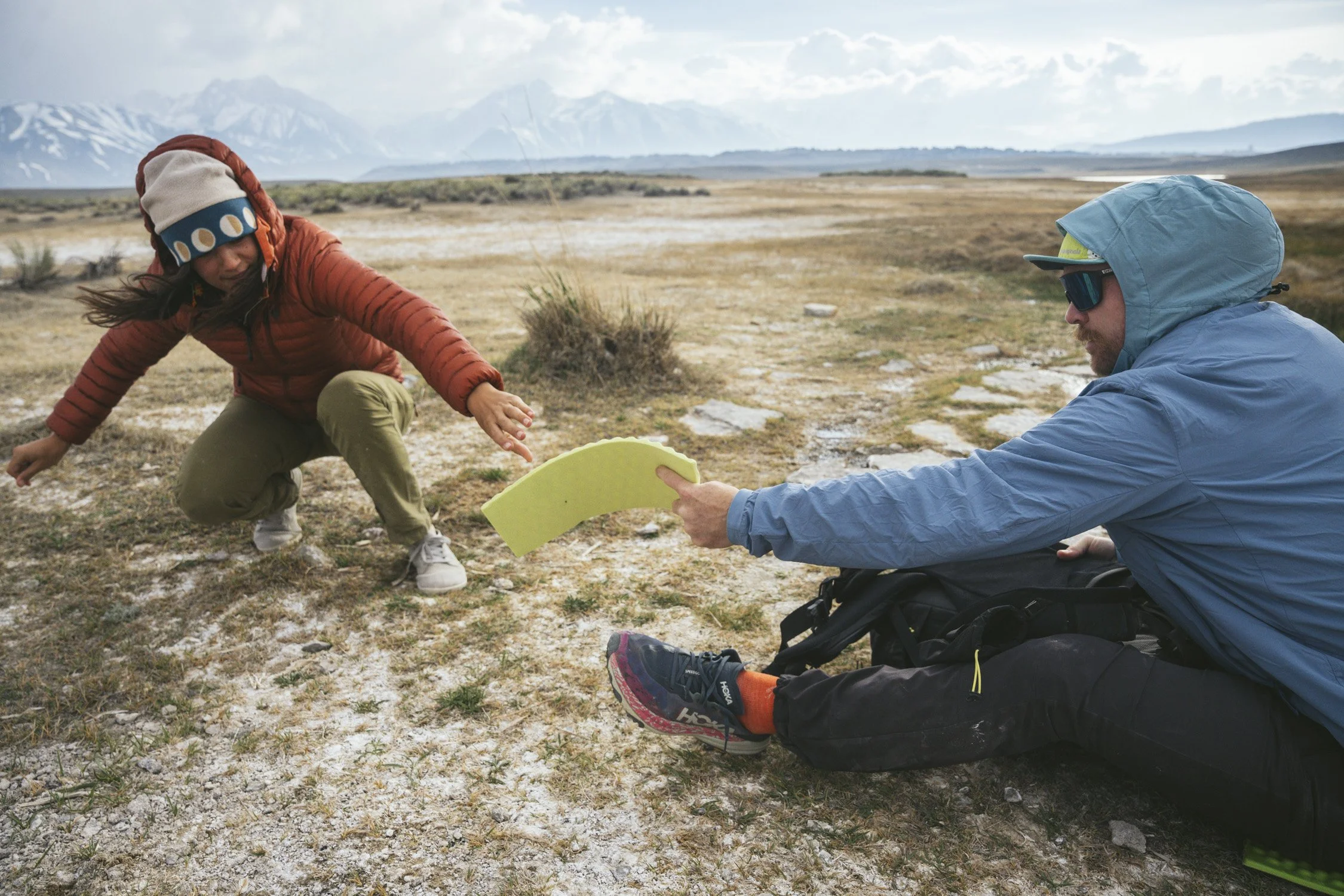
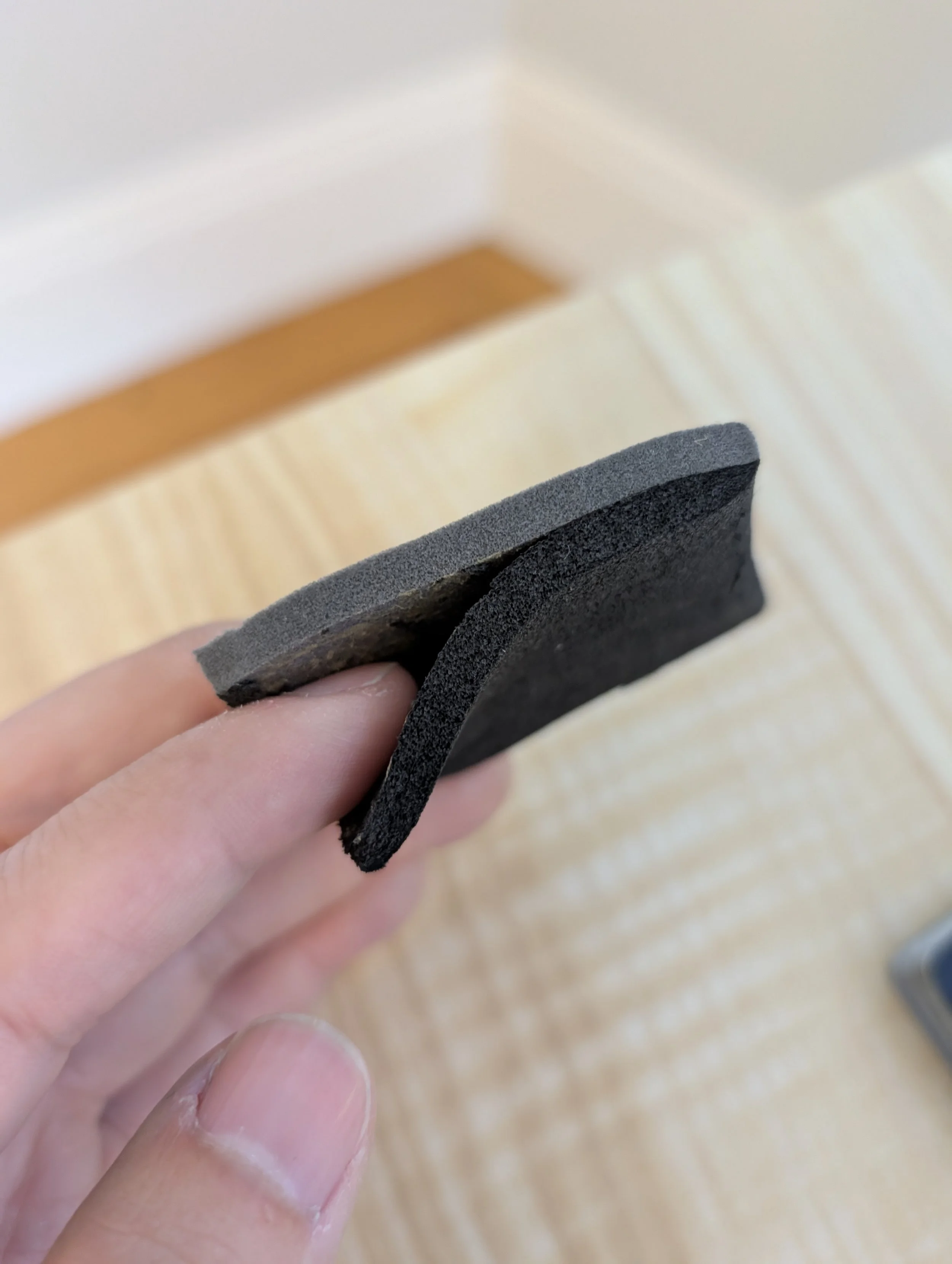
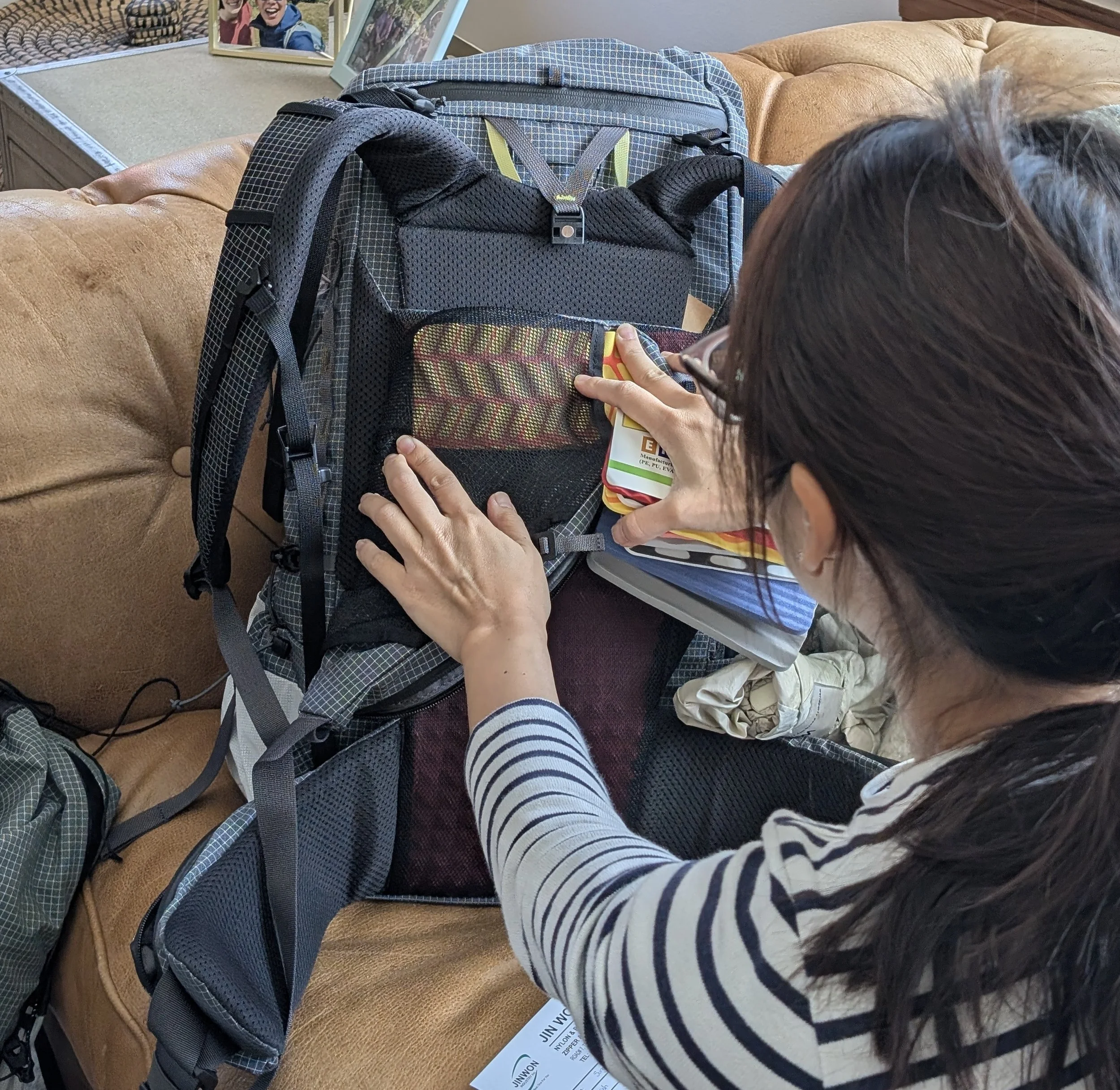
Getting all these materials onto a cutting table felt like a massive win. The bag finally felt right and we ultimately picked the best fabrics and materials for the purpose of our hybrid pack. But finding the materials is the easy part. Having some trusted pals to field test all over the world in all types of travel scenarios and enviornments was the something to look forward to!