

Having a philosophy about the perfect travel bag is easy. Actually making it is a nightmare.
I knew exactly what I wanted: a 28L to 35L carry-on that could take a beating on a dirt trail, but seamlessly break down into a sling or a tote for the city. I knew who it was for and how it needed to perform. But taking a concept that lives in your head and turning it into a physical product requires a lot more than just a good mood board.
That’s where the messy reality of prototyping kicks in, and why you need people who are smarter than you in the room. I brought in Dave to handle the physical gear building, along with a lead soft goods designer who has spent over a decade working for the top outdoor brands in the industry. She knows exactly how to make a backpack that actually functions under stress. My job was to hold the brand vision together while they solved the actual physics of the bag.
And with modular gear, the physics are brutal.
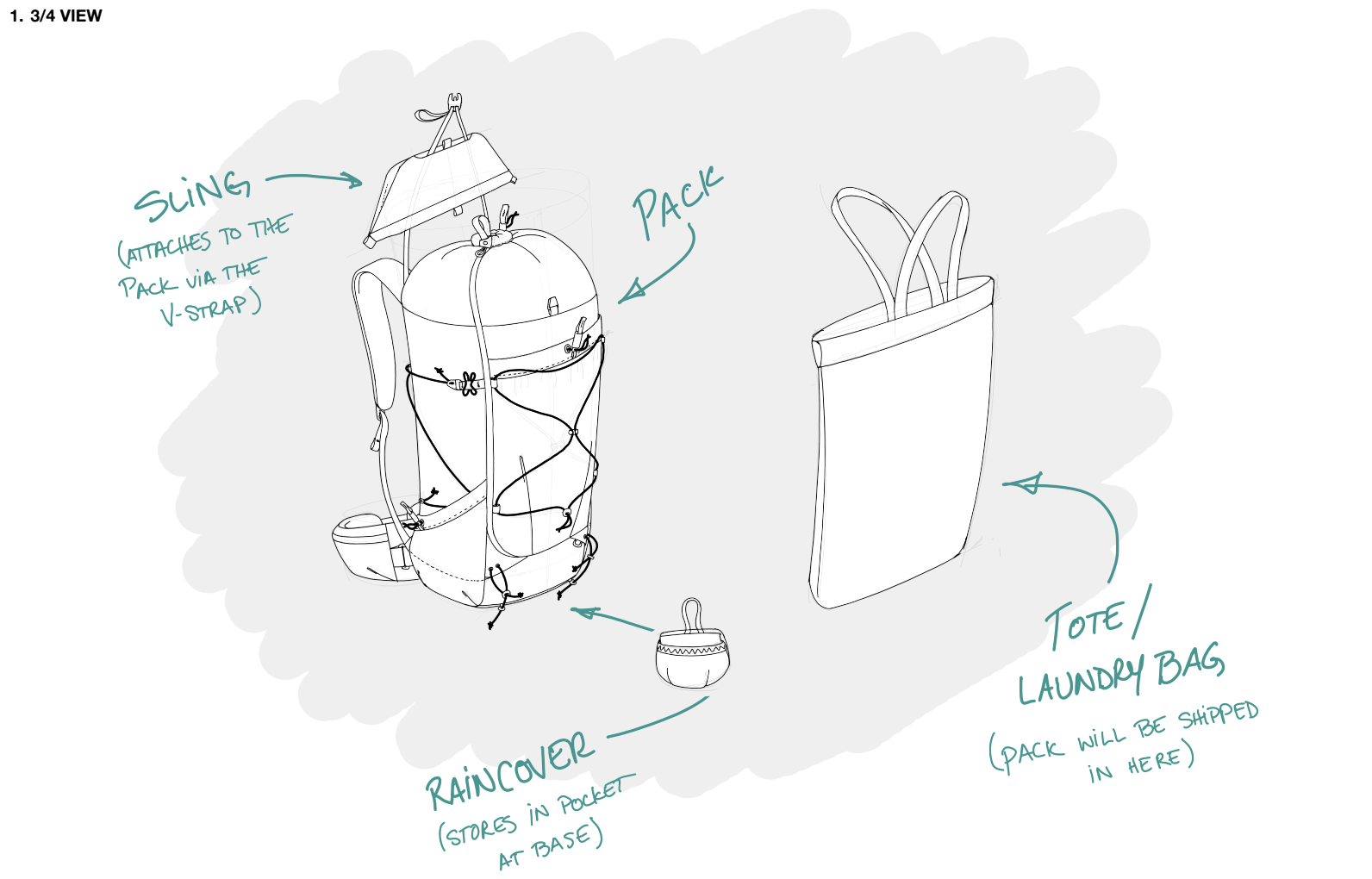
After 8 rounds of sketches, we were ready to test it with our first prototype.
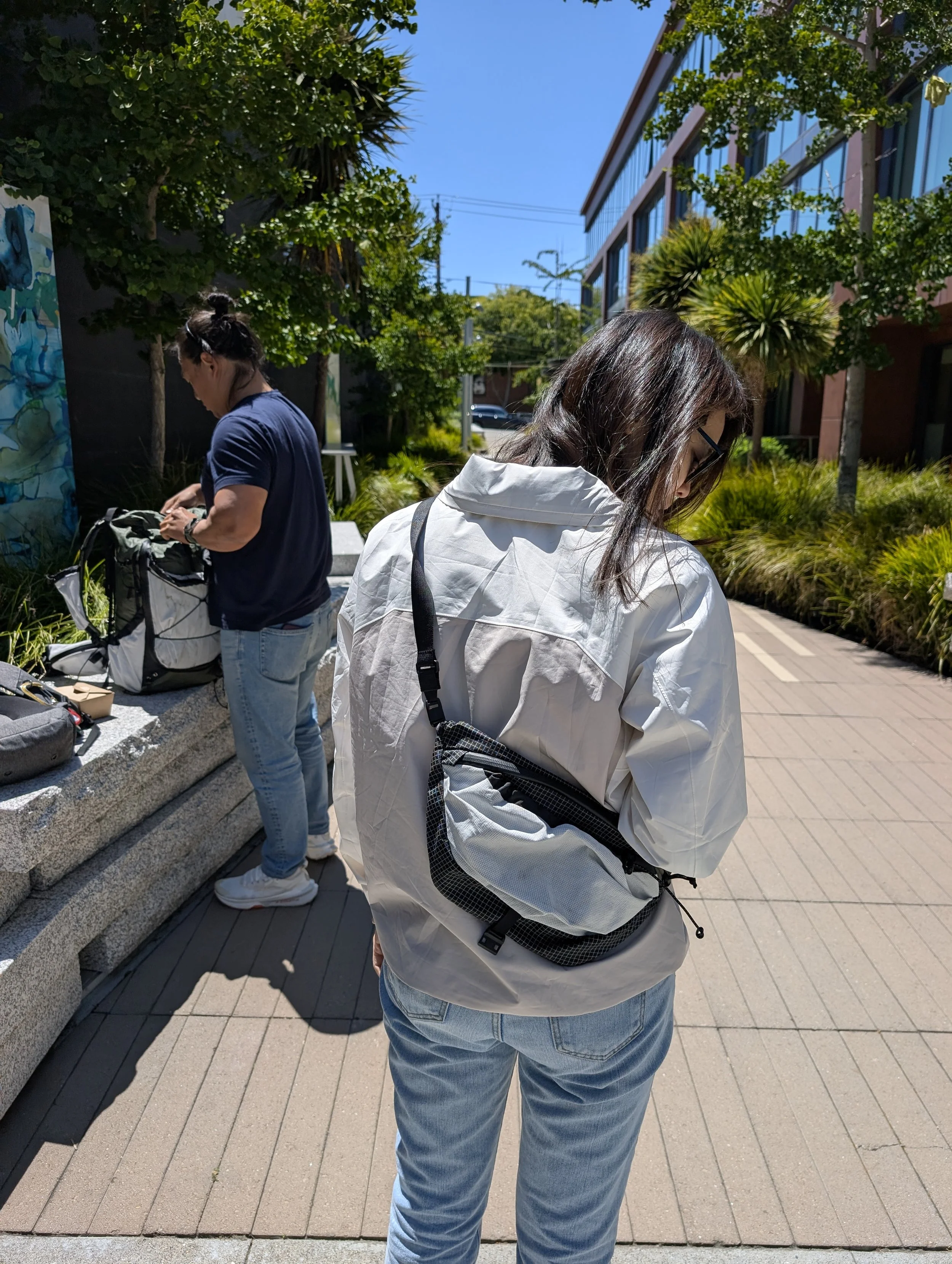
If you design a normal backpack and a strap is off by half an inch, it just fits a little weird. If you design a modular backpack and a zipper is off by half an inch, the entire system collapses. The attachments don't line up, the weight hangs off your shoulders like a sack of bricks, and suddenly you’ve built a gimmick instead of a tool. The major design challenge we faced was how to affix the sling to the main pack without sacrificing utility of the pack. It had to easily detach and reattach without annoyance while also working together separately and as whole.
Our lead designer was the one who figured out how to make the bag actually look right. We spent hours just staring at how different fabrics draped when the bag was totally empty versus when it was stuffed to the brim. It had to look clean and understated. We aggressively avoided that tactical, strap-heavy look that instantly flags you as a tourist the second you walk into a cafe.
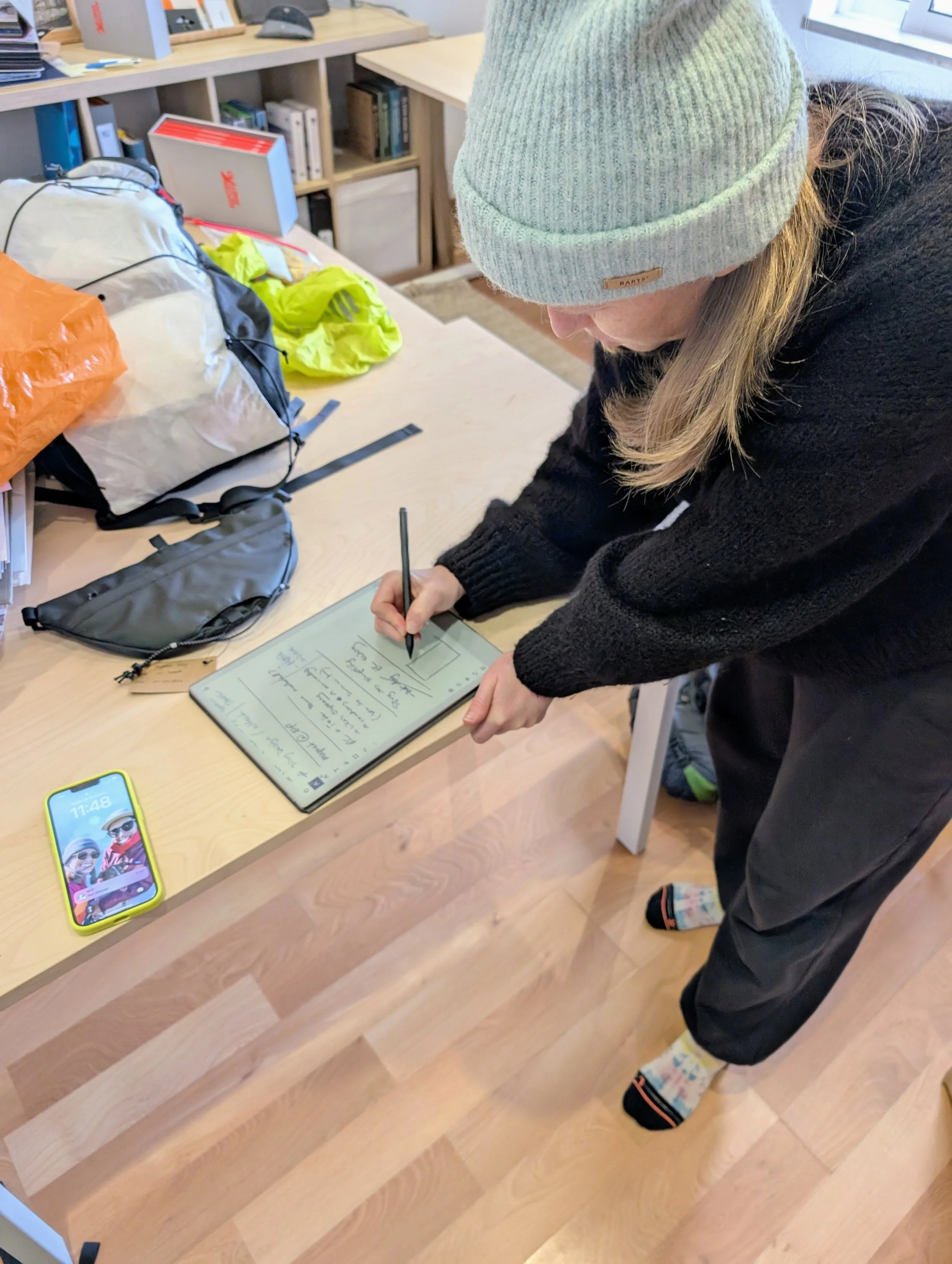
Then Dave had to physically build the thing. This is the part of product development that nobody posts on Instagram because it’s chaotic. It’s just cutting apart old backpacks, pinning raw fabric together, ripping out stitches, and stress-testing hardware. We would argue over millimeter adjustments on load lifters. We had to analyze exactly how the tension shifted across your back the second you detached the sling.
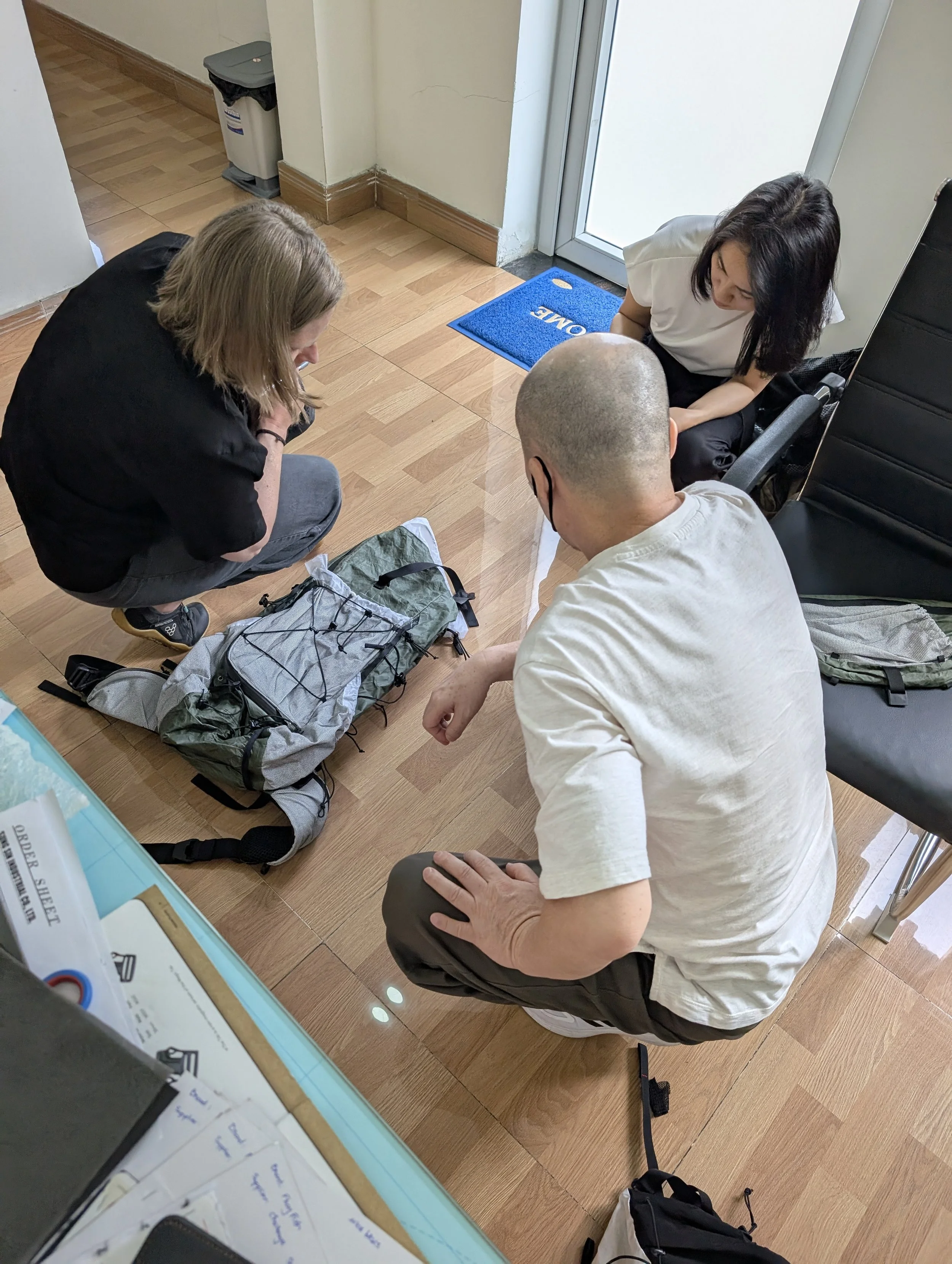
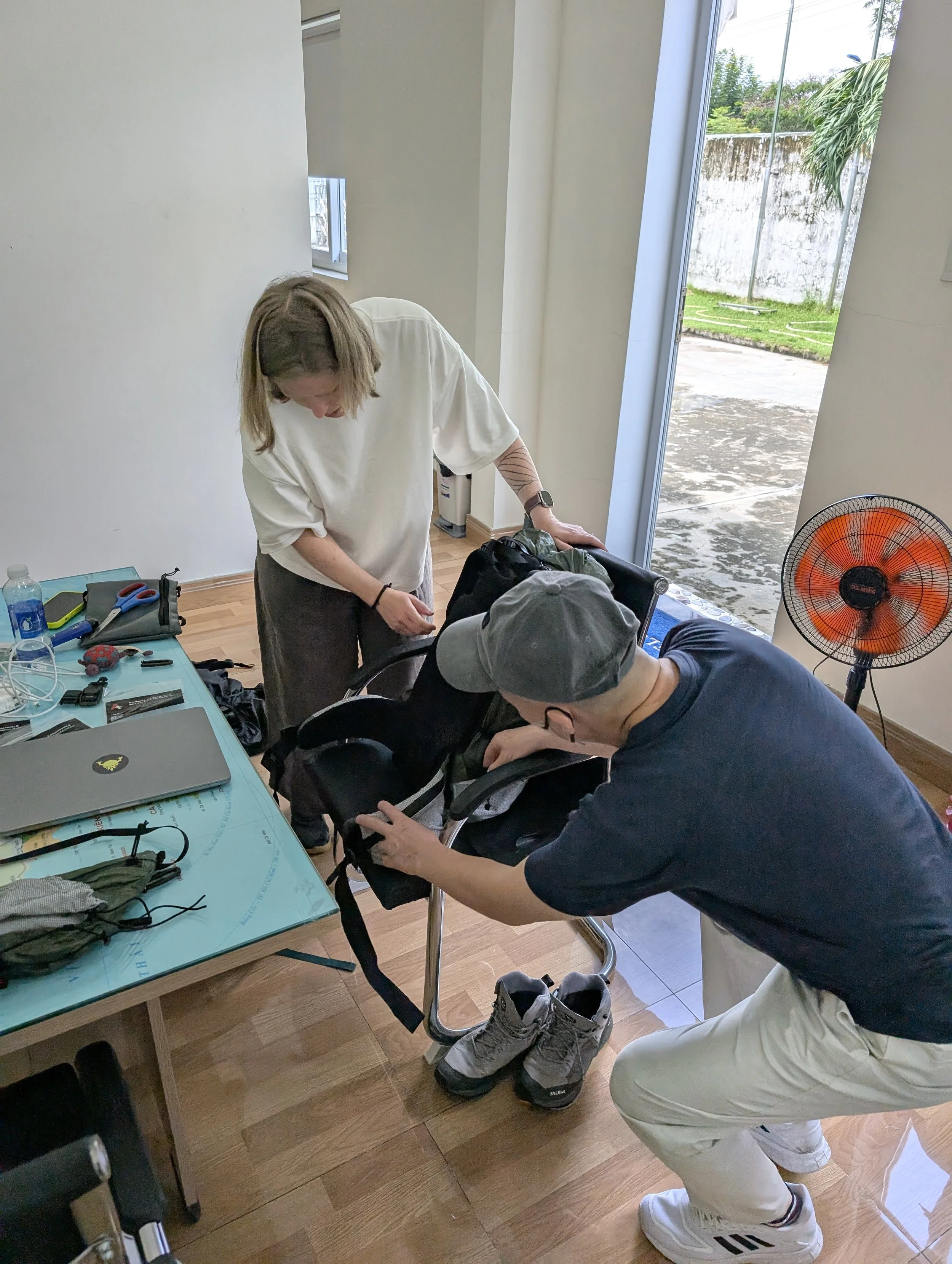
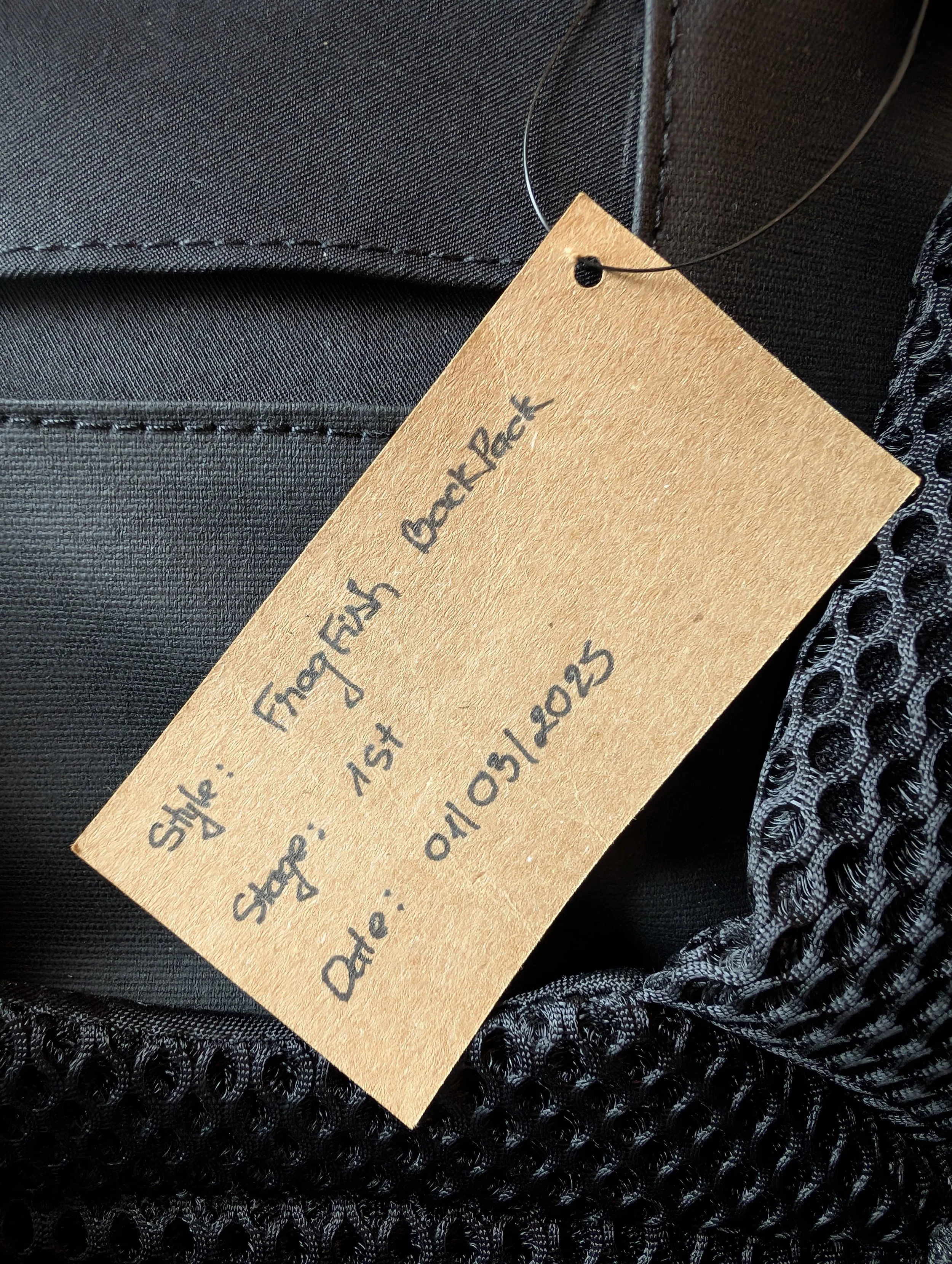
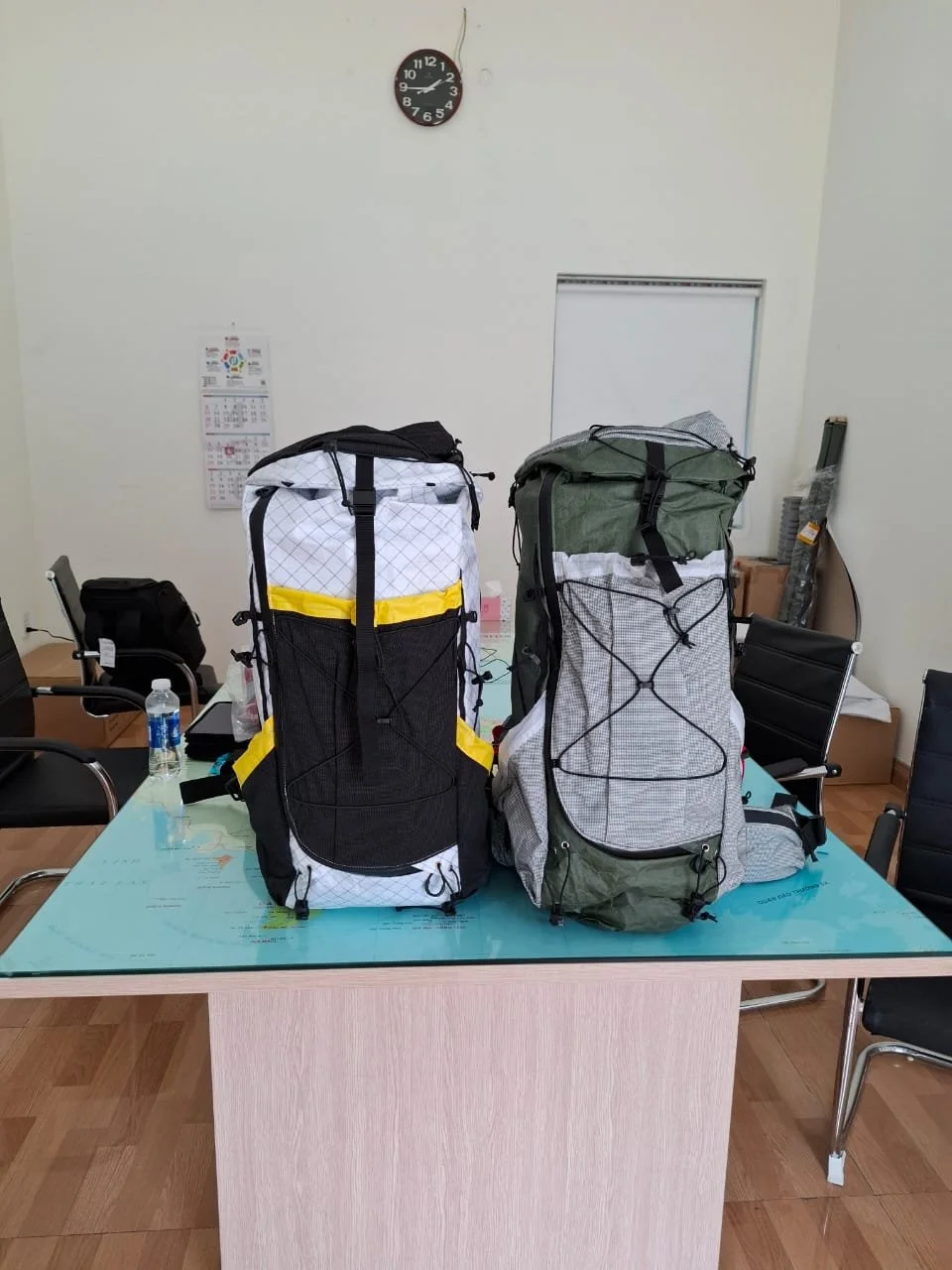
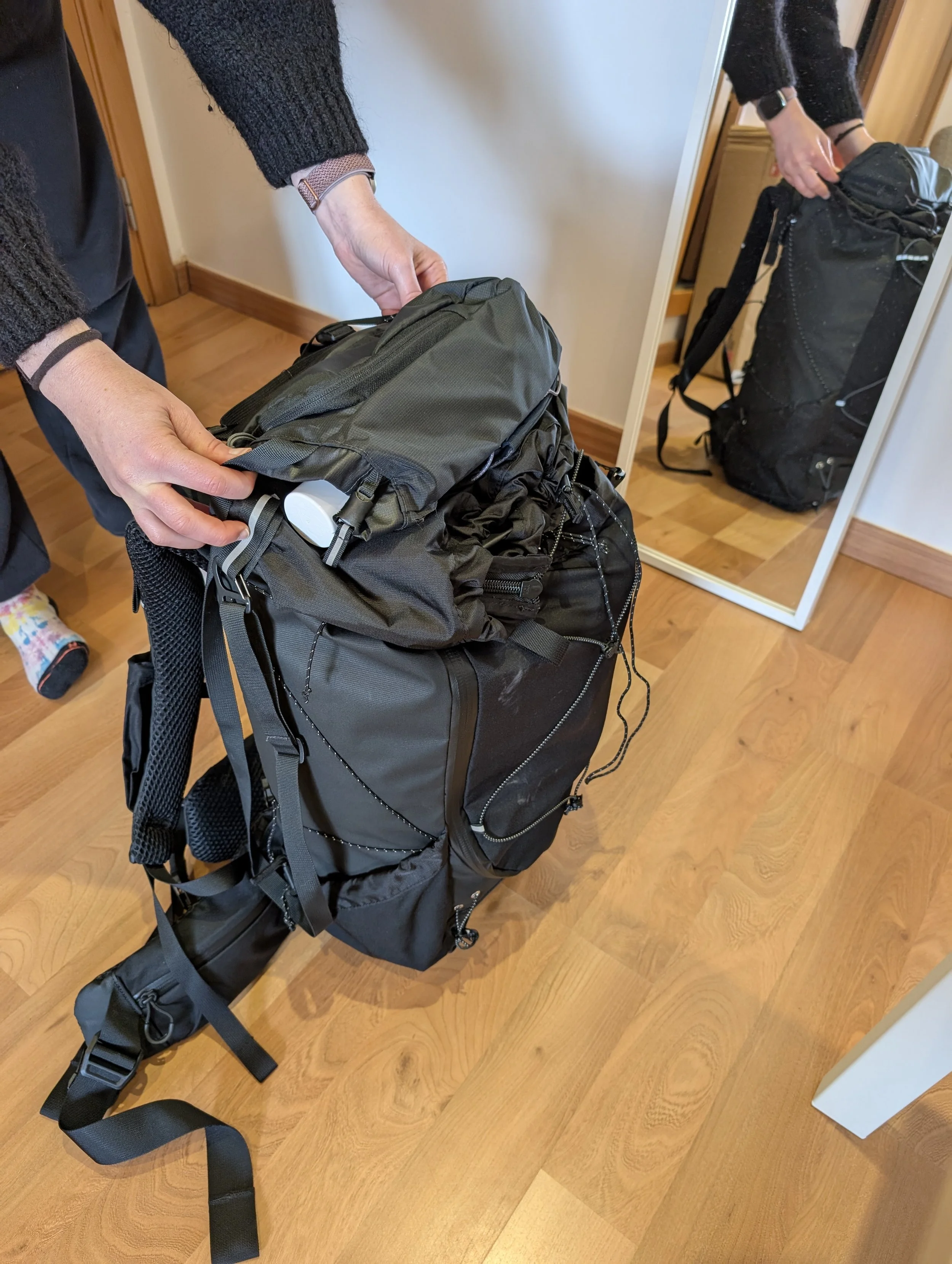
Prototype 1: Too big.
As with any first prototype, I was super excited to receive it, but I had already been forewarned that the first prototype always has to get out of the way and is a great starting ground. The bag arrived way too large and not functional in the way that it needed to be. Also there were quite a few mistranslations from our drawings to the actual prototype which was to be expected. All-in-all, we were super happy with the design and now it was time to get into the meat of developing the golden prototype.
Field tested in: Faro, Portugal - Hiking / Travel / Day trip
Prototype 2: Trying different sling attachements
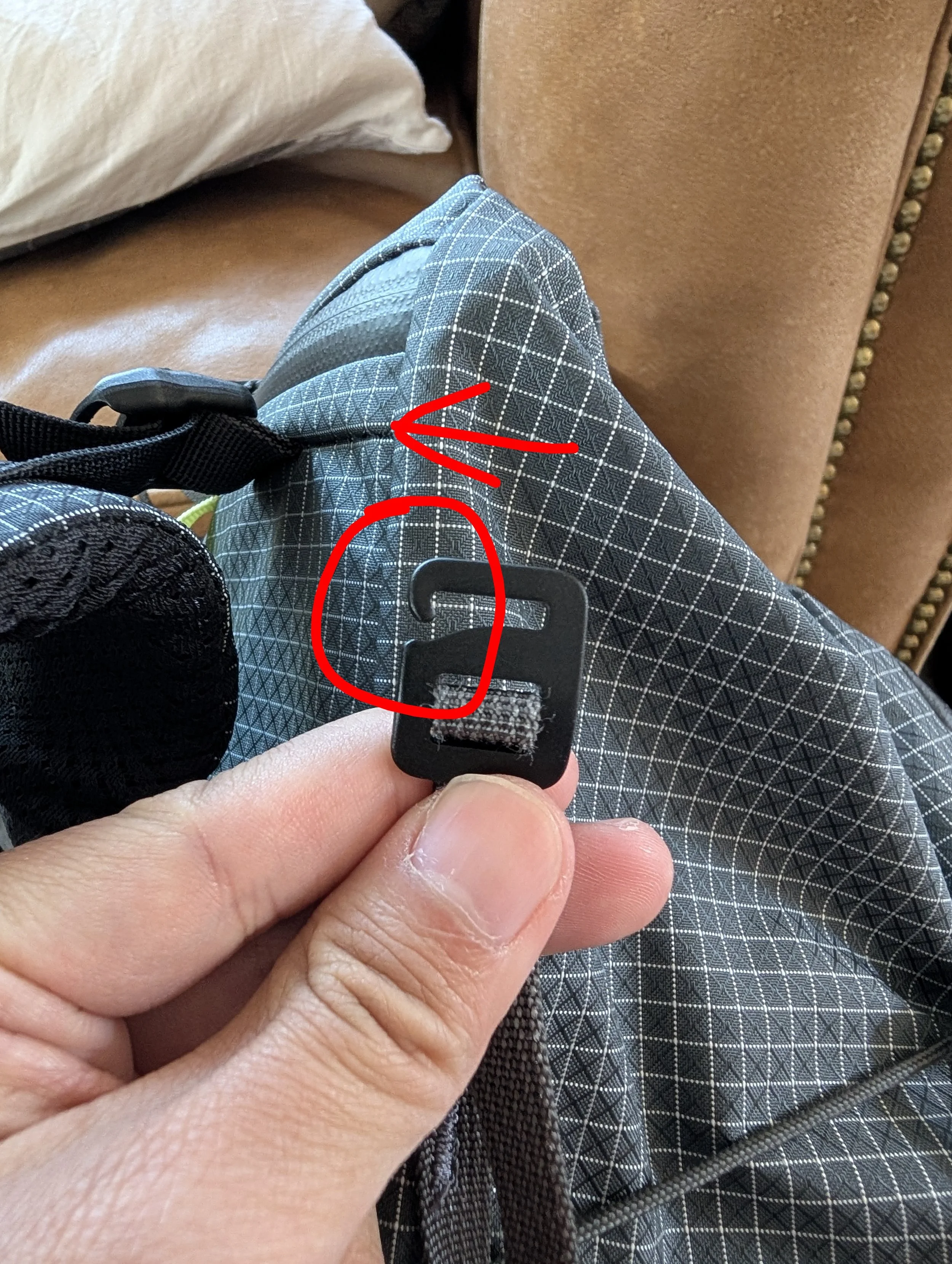
One of the most challenging design exercises was the sling attachment and how could one make modular pieces that worked by themselves but also as whole. This required quite a few tries to see what was the most secure way to attach a sling while also having it easily removable. We tried magnetic clips, regular buckles, and even metal accessories. Ultimately, we landed on the G-Hook design that secures the sling when compressed but also easy to remove when loosened.
Field Tested in: Alinao, Phillipines - Diving / Travel / Day trip
Prototype 3 & 4: Testing different materials and technical functionality
While the sling was the most unique part of the modular system, the most important part of any backpack is its support system. We focused two of our prototype rounds specifically on the back-support system to ensure you can go on multi-day backpacking trips comfortably (breathable, weight-distribution, functional easy-to-reach accessories). We tried 3 different back support systems while also attempting various breathability membranes without sacrificing the laptop/hydration sleeve.
Field Tested in: The Lost Coast Trail, California - Backpacking / Travel / Day trip
Prototype 5: Refinement of functionality and materials.
The final prototype before the golden prototype, we were nearly there. It was mainly getting the materials just right, measured all the lengths of the materials to ensure we weren’t overusing materials and we were streamlining our supply chain. The ensured that we could play in the ultralight category for travel backpacks while also still remaining conscious of the environmental impact that we were making when developing a backpack.
Field Tested in: Tajikistan, Kyrgyzstan, Taiwan, Japan, Kazakstan - Backpacking / Travel / Hiking / Diving / Day trip
Prototype 6: Final Prototype
In the end, we landed on a solid golden prototype that was used to create salesman samples for more field testing.
Field Tested in: Namibia, Botswana, Indonesia, Japan, Finland, China - Travel / Diving/ Backpacking / Hiking / Day trip
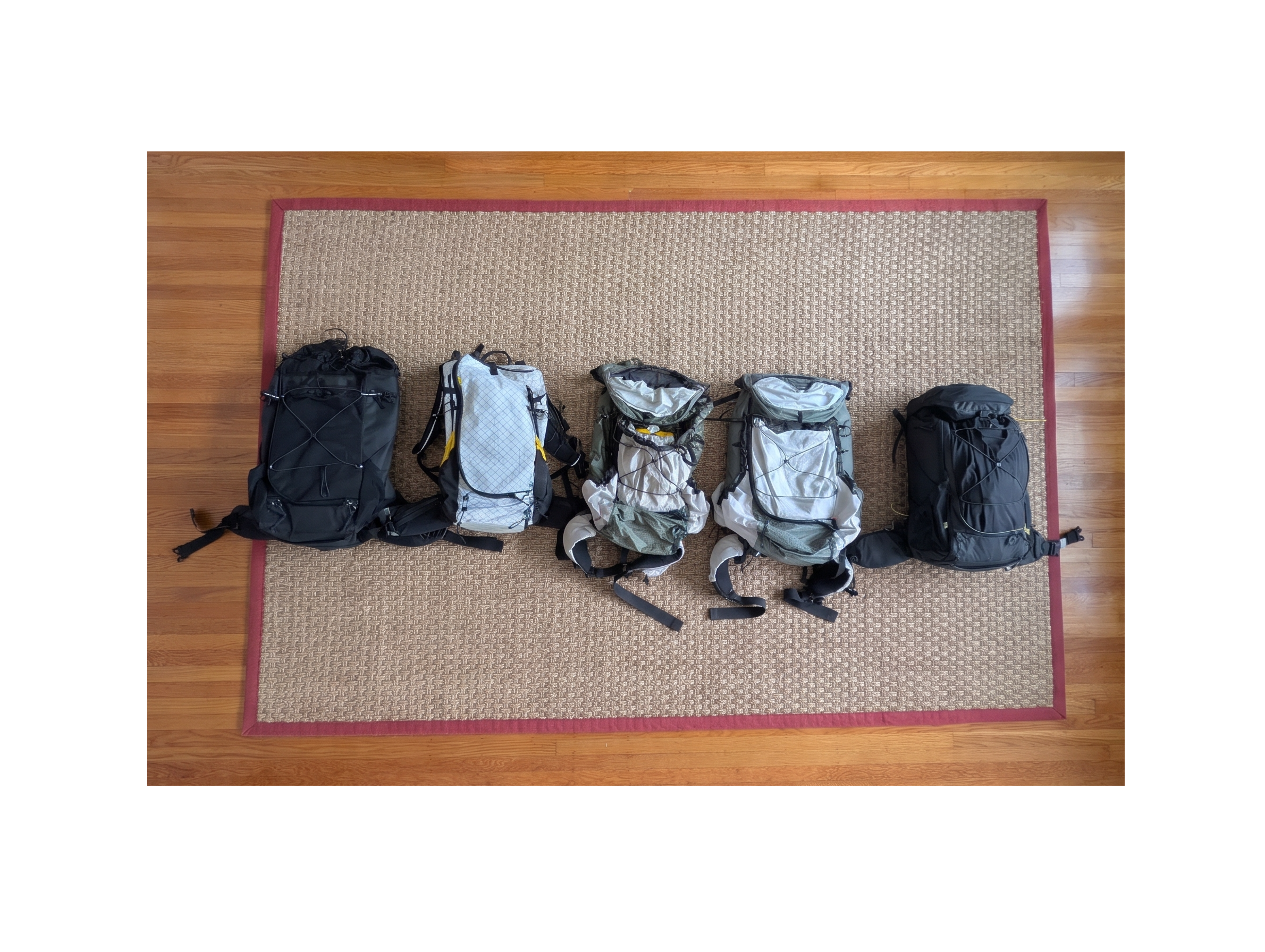
There were so many days where a prototype looked perfect on the cutting table, but the second we dropped twenty pounds of gear inside, the center of gravity was a mess. So we’d tear it down, re-cut the patterns, and start over.
That loop of building, breaking, and fixing was exhausting, but it’s the only way to get it right. You have to be willing to scrap a week of work because it just doesn't feel right on your back.
By the end of that phase, we had finally locked it in. We had the exact architecture I’d been chasing for years, proving that a truly modular travel pack could actually exist without looking like a mess.
But a good design is really just a blueprint until you cut it from the right material. And figuring out what fabrics could actually handle this kind of abuse sent me down a completely new rabbit hole into global supply chains.