

Travel teaches you a lot of things over a decade on the road, but beyond all the incredible experiences, the most profound lesson is the importance of living light. You quickly realize that you really don’t need much to live happily. And nothing proves that faster than being weighed down by a massive piece of luggage when you could just be moving freely.
I lived out of a 30L backpack for 3 years straight. At first, it was just about logistics, moving between multi-day backcountry hikes and dense city grids without the headache of checked bags. But cramming your life into 30 liters does something unexpected: it completely rewires how you look at everyday consumption. Living that light on the road translated into a minimalist mindset that stuck long after I unpacked at home.
When you realize exactly how little you actually need to be comfortable, you stop packing out of fear and start packing for freedom. If you are trying to lean into an ultralight lifestyle, these are the top ten rules that completely changed how I travel:
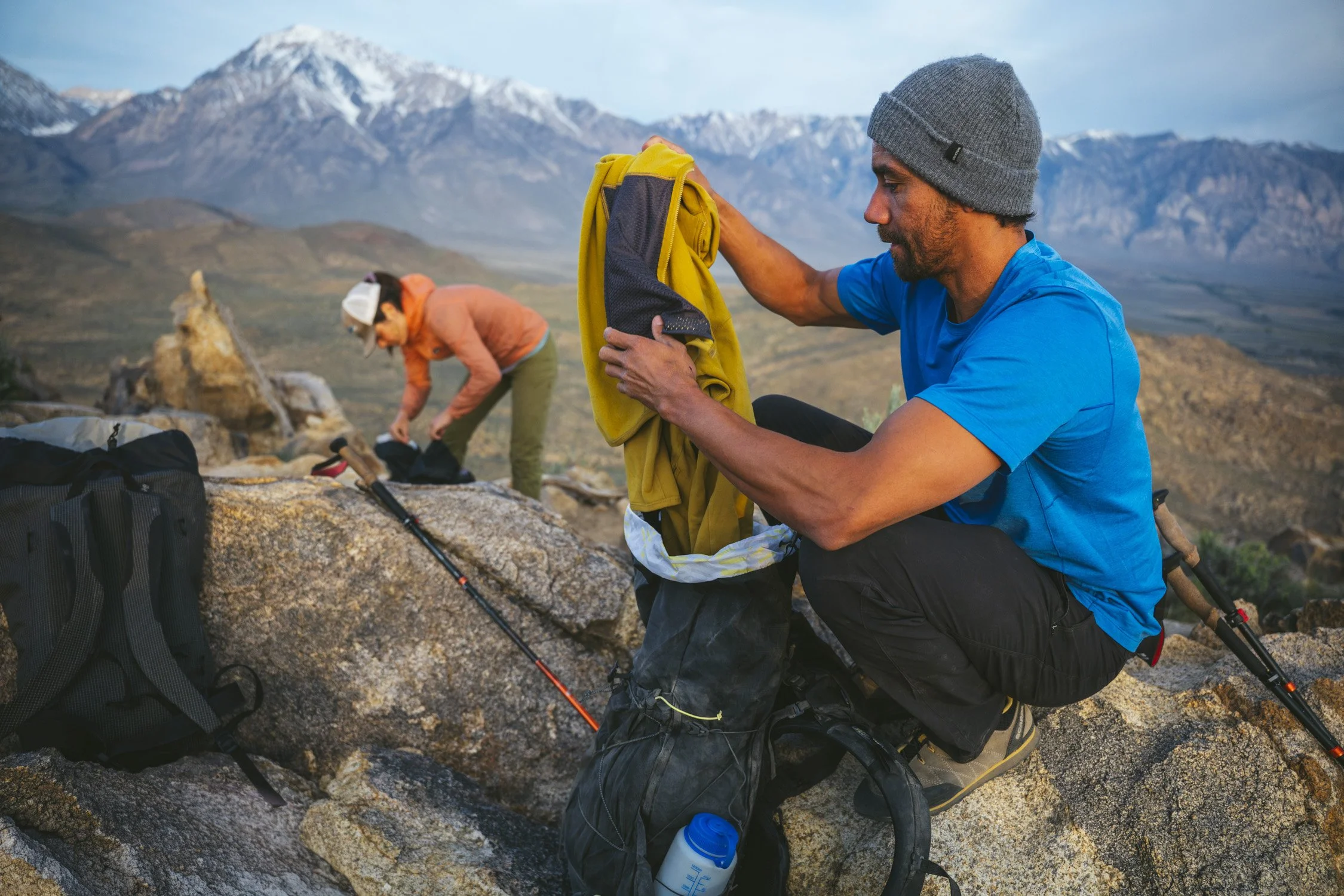
1. Transition to a multi-purpose, quick-dry wardrobe.
The first thing to go in minimalist travel is excess clothing. We only had three sets of clothes for a three-year trip, washing and drying them along the way. You need pieces that pull double or triple duty (for example, running shorts that work as swim trunks and still look clean enough for the city. Then for winter gear, have one insulating layer and a hard shell for rain.
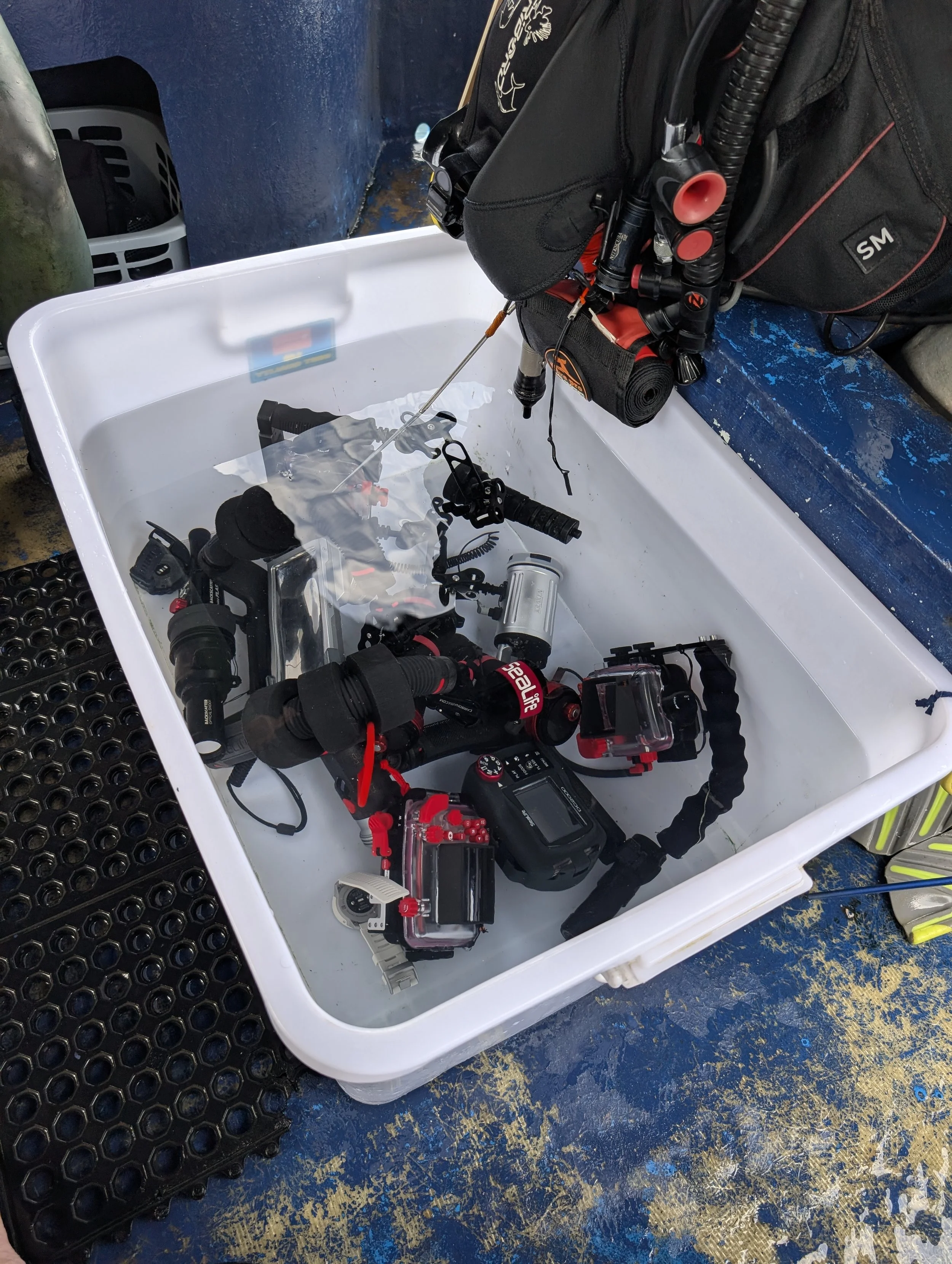
2. Limit yourself to one specialized "guilty pleasure" gadget.
Gadgets eat up space and weight. Pick one hobby and leave the rest of the tech at home. For me, that meant bringing my scuba diving camera setup. It took up a bit of space, but it was the one piece of dedicated gear I actually used consistently.
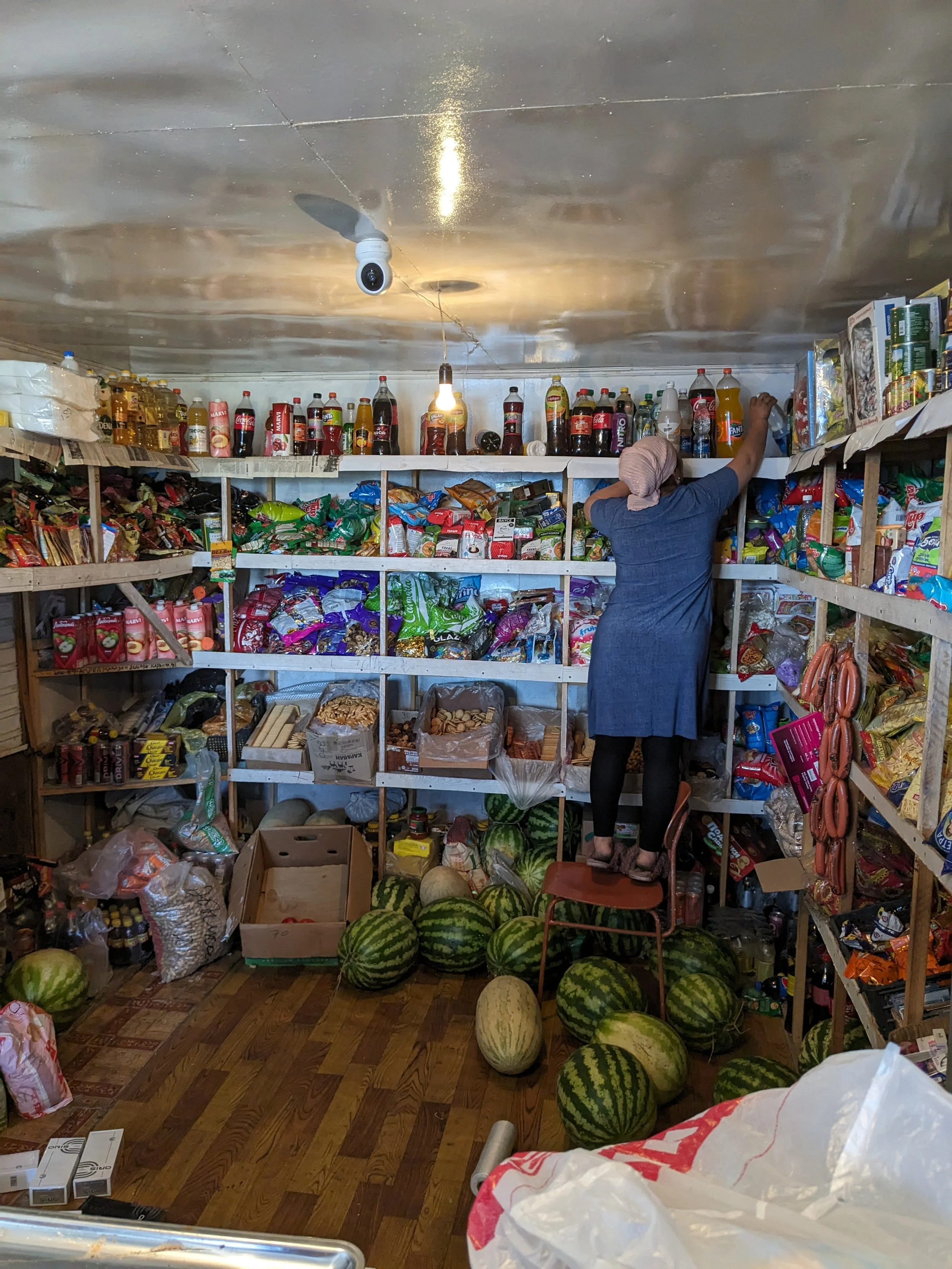
3. Stop packing everyday toiletries.
You can get shampoo and toothpaste anywhere in the world. There is zero reason to carry a heavy kit across an ocean. Buy it locally when you land.
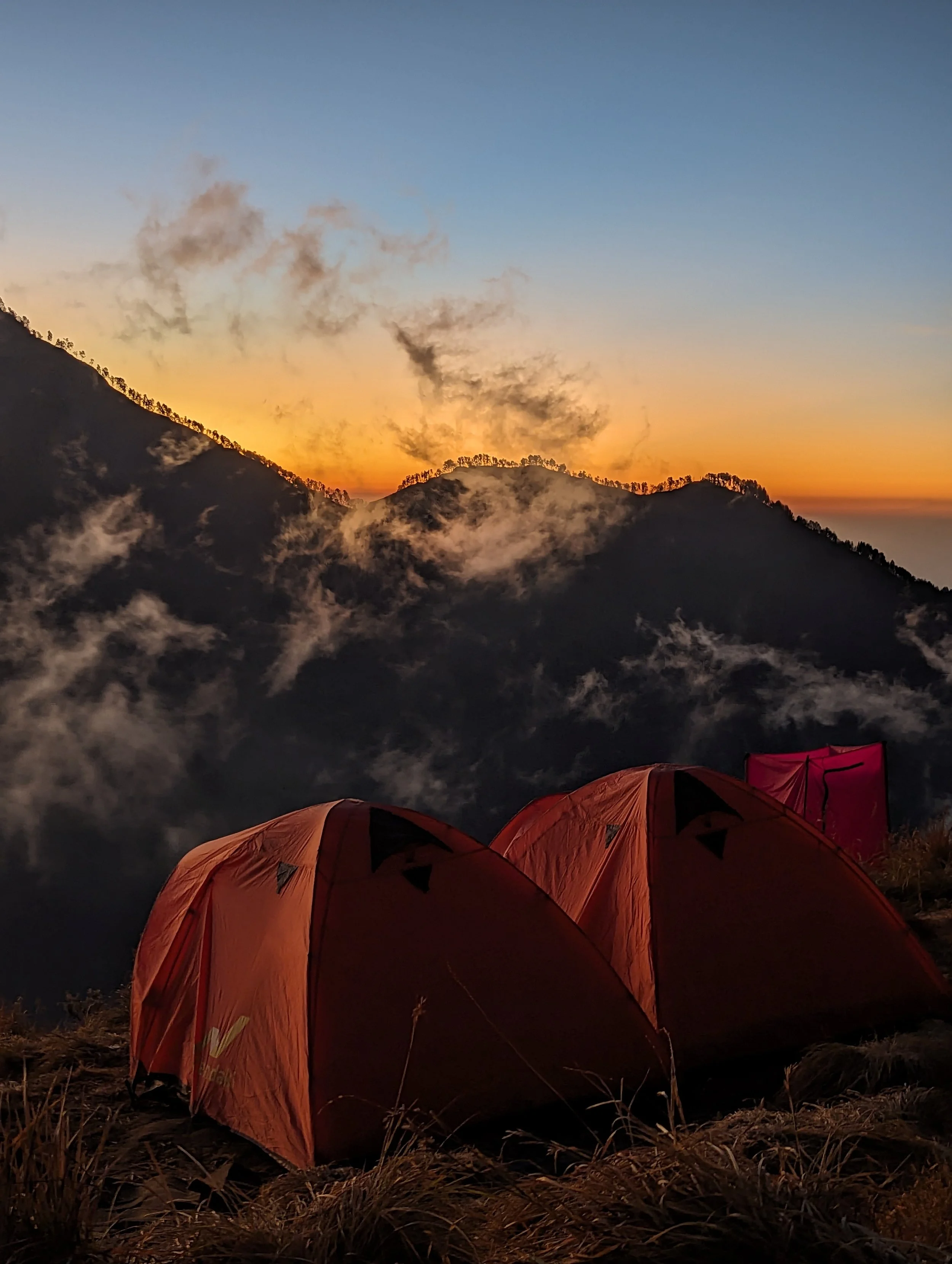
4. Rent the heavy camping gear locally.
Supporting local outdoor businesses by renting tents and heavy gear is always nicer (and cheaper) than you think it will be. Just bring your own sleeping bag liner and a reliable water filtration device, and you are set for the backcountry.
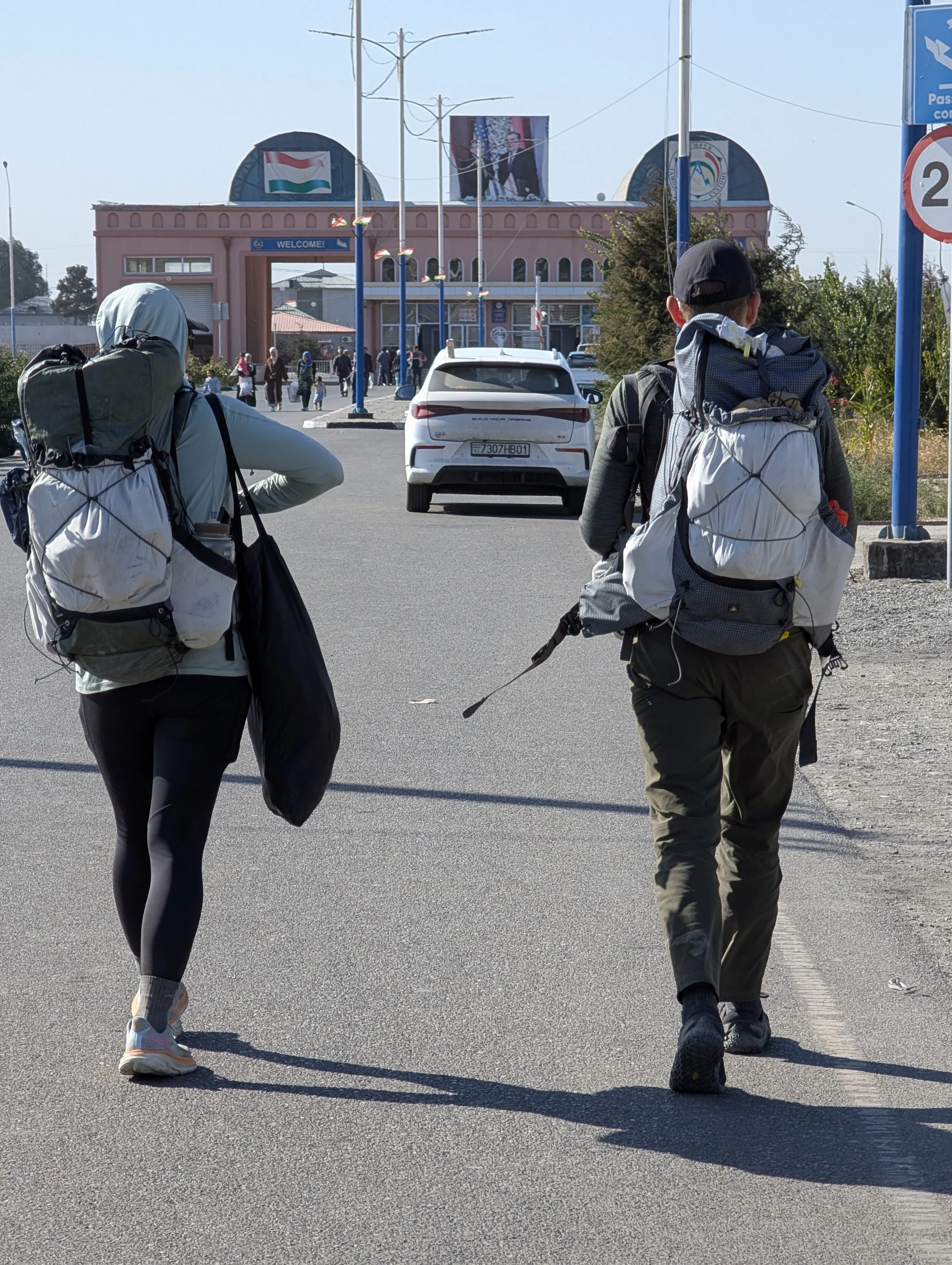
5. Never pack to the absolute brim.
Always leave physical space in your bag. It is not a matter of if you will pick something up along the way, it’s when. No matter how hard you try to live minimally, there is always something you might need to add, and you need the literal room to carry it.
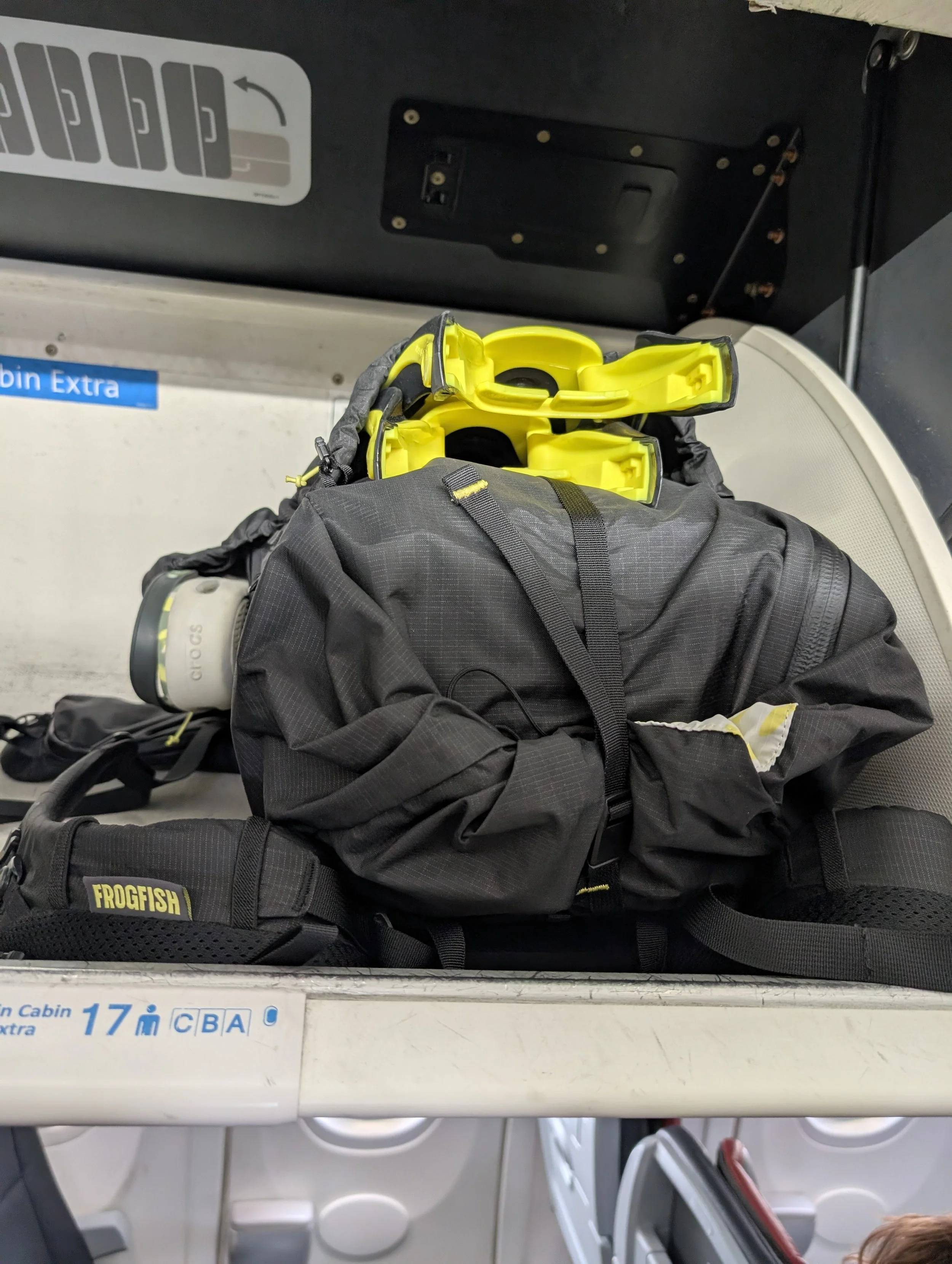
6. Force the carry-on constraint.
Living lighter starts by enforcing a hard physical limit. The logistics, cost, and stress of dragging a checked bag around are never worth it. A carry-on forces you to make smart, ruthless decisions before you ever leave the house.
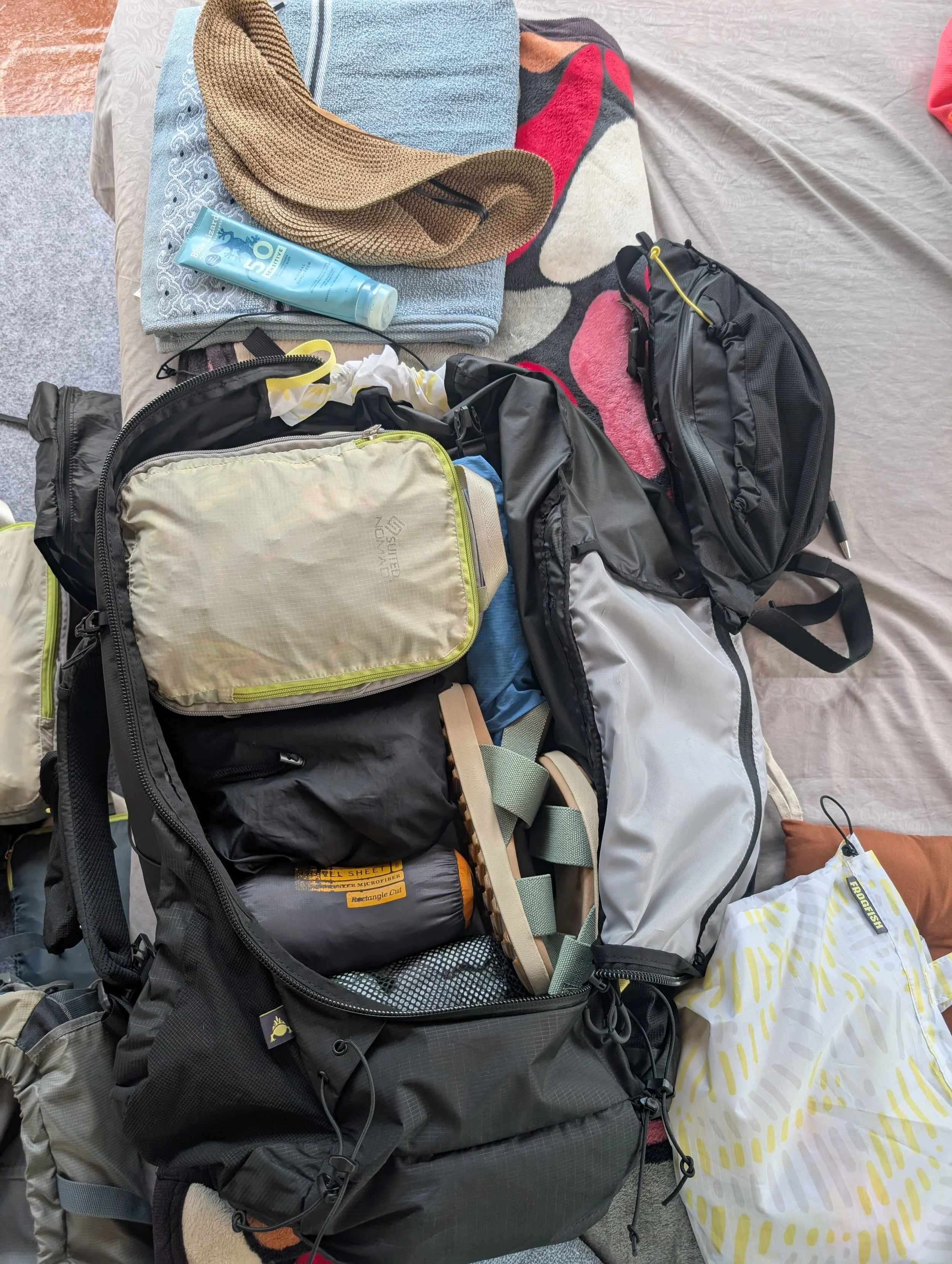
7. Pack for the reality, not the "what-ifs."
Fear-packing is the enemy of minimalism. People fill half their bags with heavy jackets or specialized boots for extreme weather scenarios that rarely happen. Pack for the climate you will be in 90% of the time, and buy an umbrella or a cheap sweater locally if the weather turns.
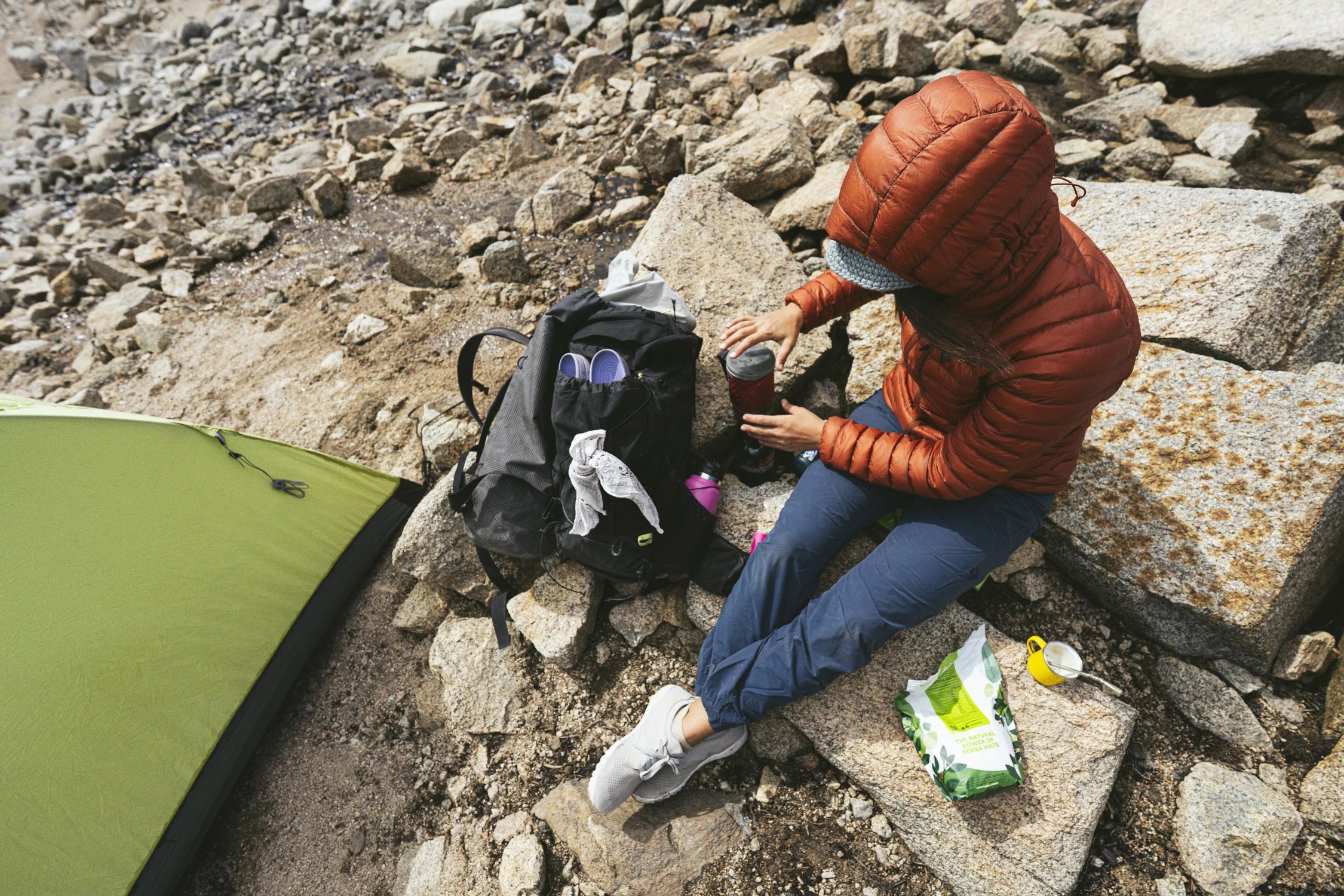
8. Cap your footwear at two or three pairs.
Shoes are the ultimate space killers. You only need the versatile, comfortable pair you wear on the plane (which should handle light trails and city walking) and a lightweight pair of sandals or low-profile shoes packed flat in your bag. For me, I had a pair of all-round trail runners, flip flops, and sturdy hiking boots.
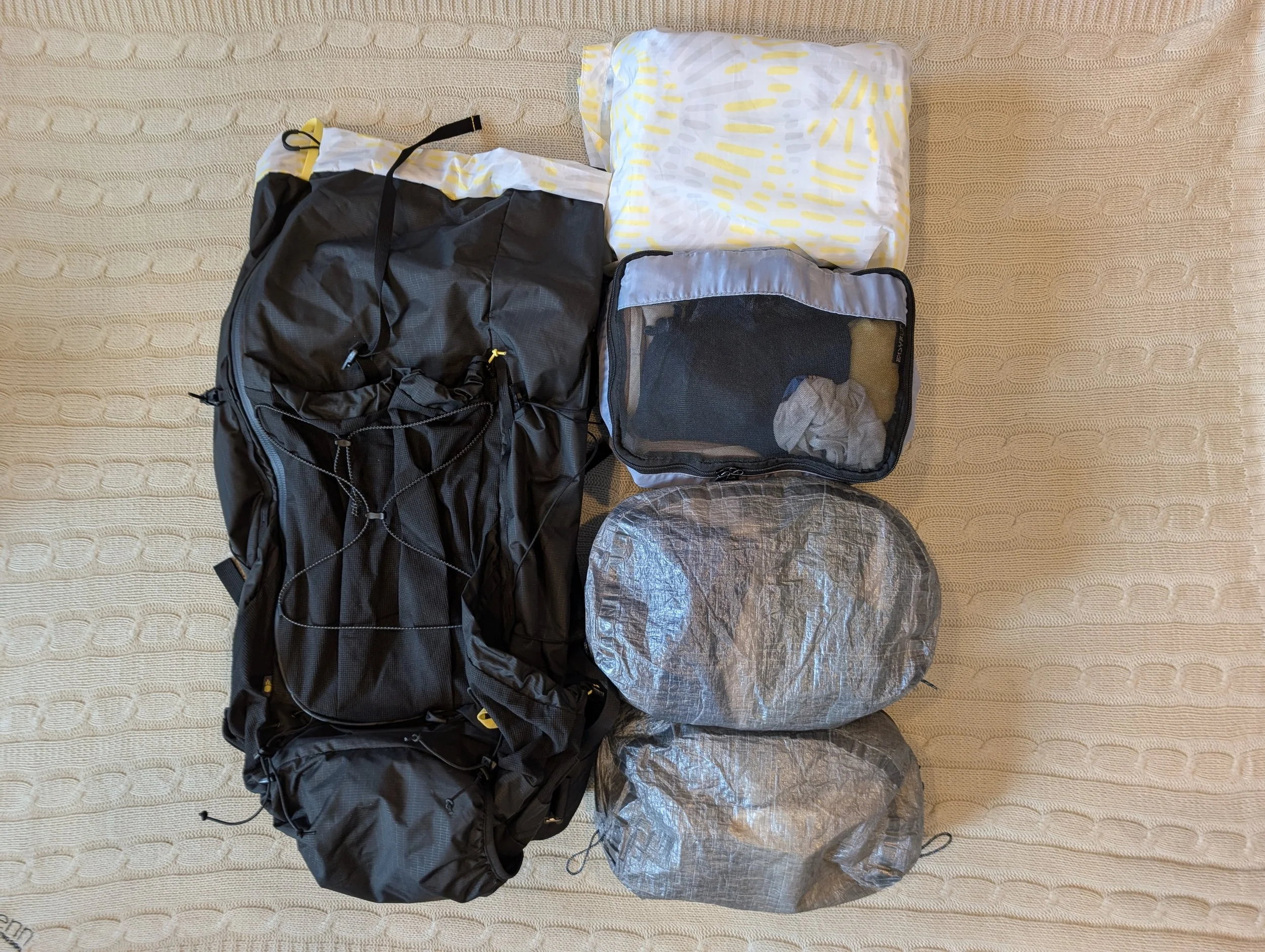
9. Follow the "One In, One Out" rule.
Minimalism requires maintenance. If you are living out of a bag and decide to buy a thick wool sweater from a local market, something else has to be donated or left behind. The volume of your pack cannot grow.
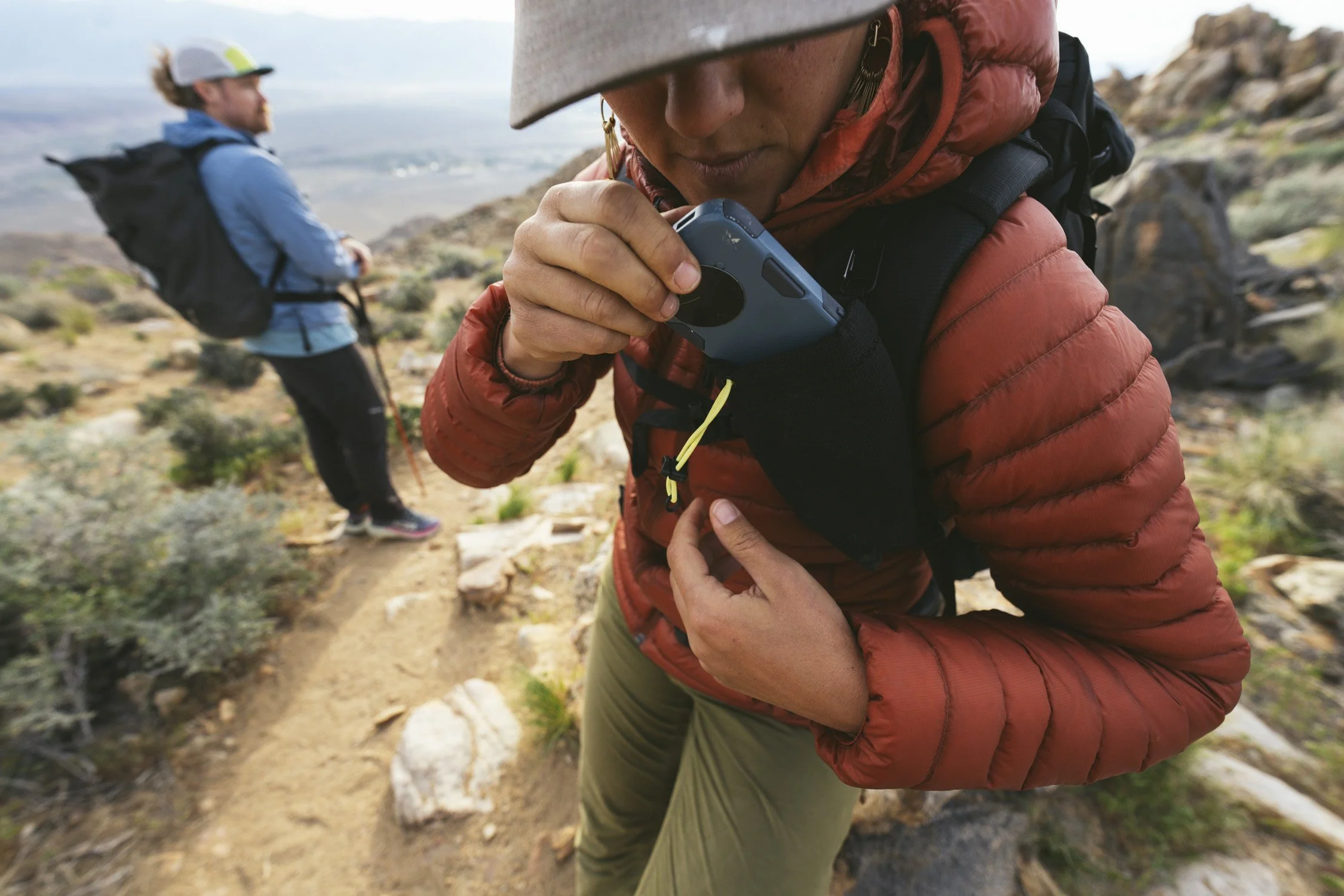
10. Digitize all your heavy media.
Leave the paperbacks, heavy travel guides, and bulky notebooks at home. A single e-reader and your phone can hold every map, document, and book you will need for years on the road without adding a single ounce to your pack.
These constraints make travel effortless, but they also highlight a massive flaw in the outdoor industry. I was putting all this effort into living lighter, but the gear itself was always a compromise. Brands make their money by dividing the market, convincing you to buy a specific pack for the trail, a different bag for the commute, and another for the airport. They manufacture excess on purpose.
That realization was the breaking point that started the Frogfish Packs project. I wanted to stop compromising and engineer the single, universal bag that the industry refused to make. I’m excited to share the Frogfish development journey with you all!